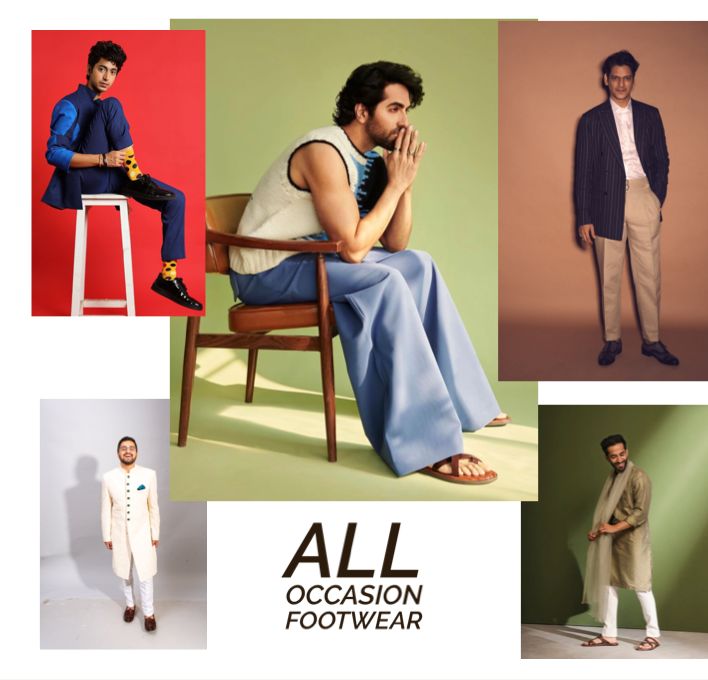

If you are the groom and asking what leather shoes to wear, you deserve an honest answer rather than a generic suggestion. dmodot has made handcrafted leather Peshawaris, mojris, and ethnic footwear for grooms across India since 2016. Here is the complete guide — by sherwani color, by function, and by what actually works across 12 hours of wearing.
|
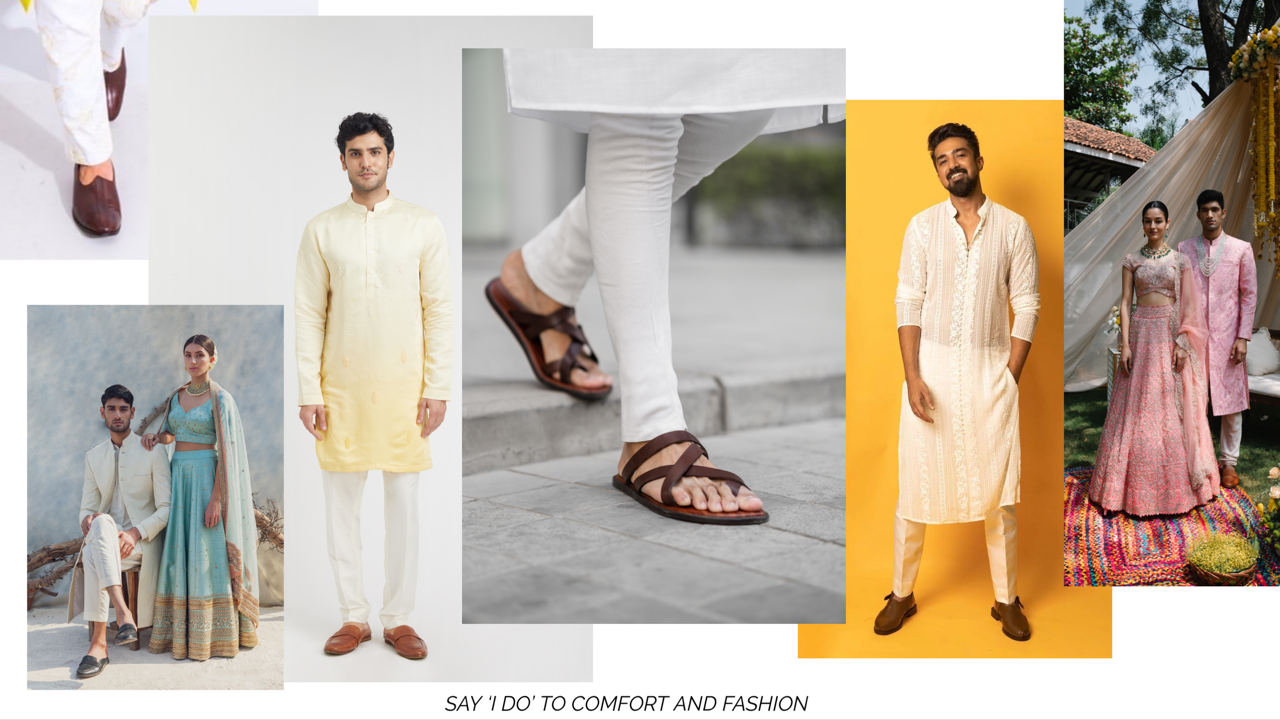
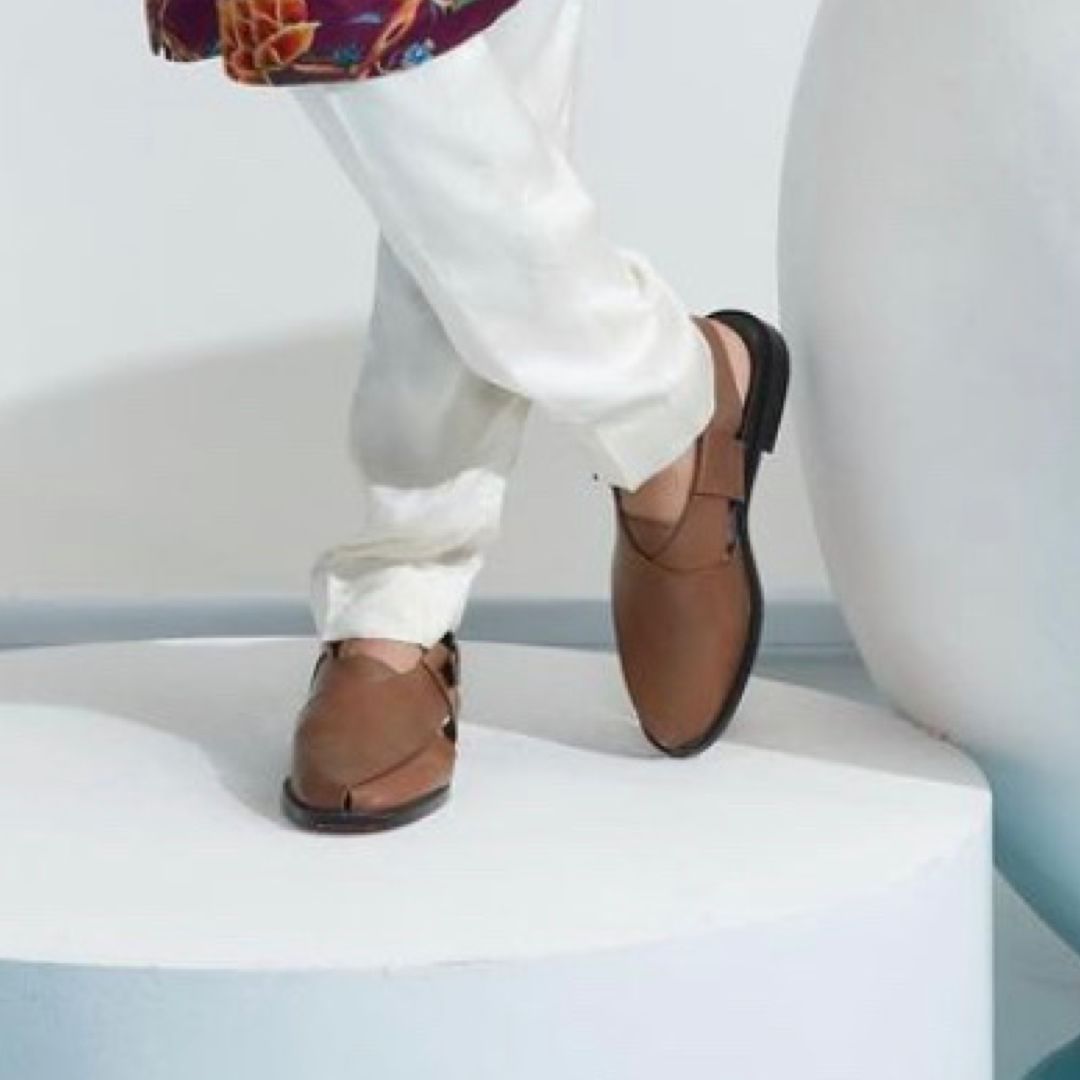
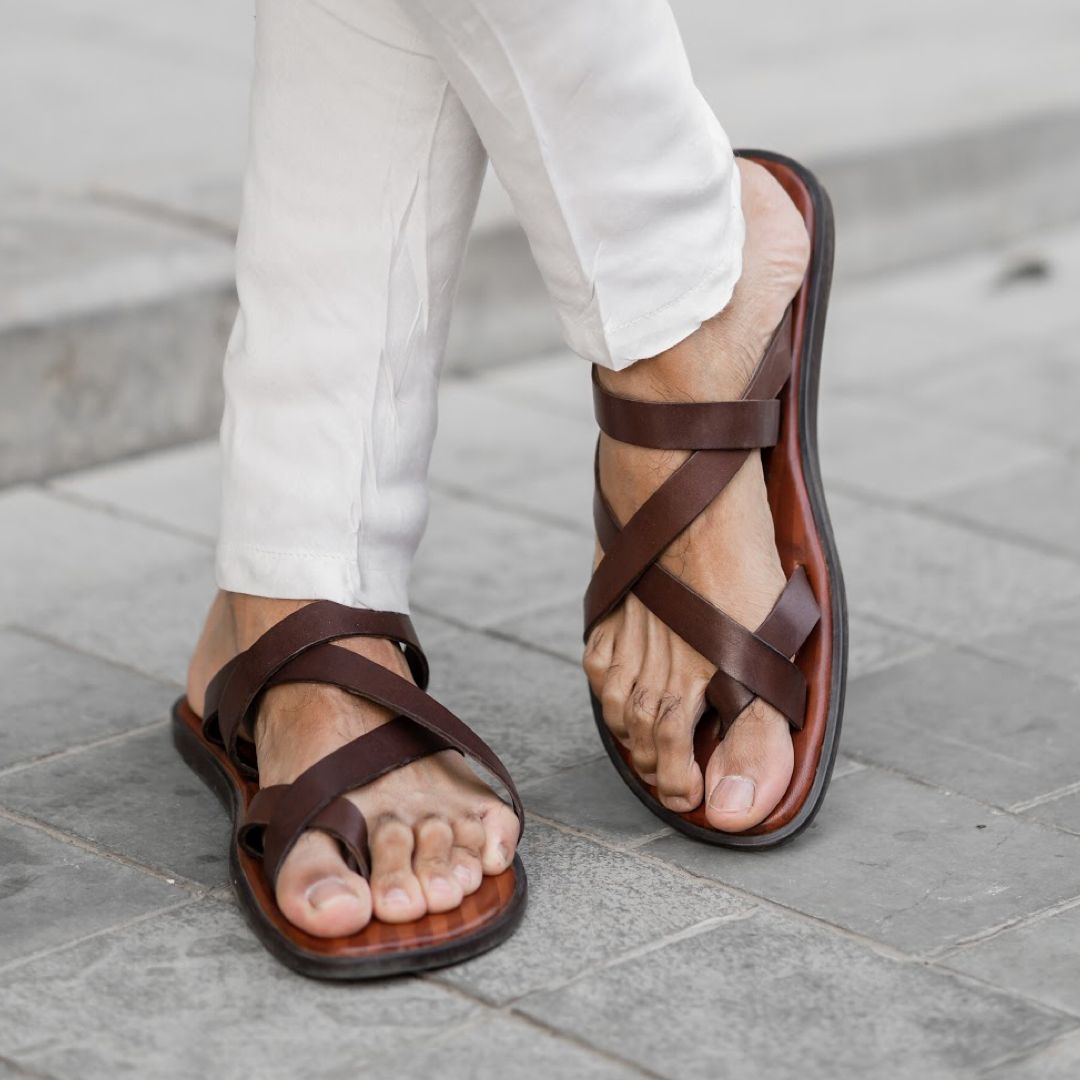
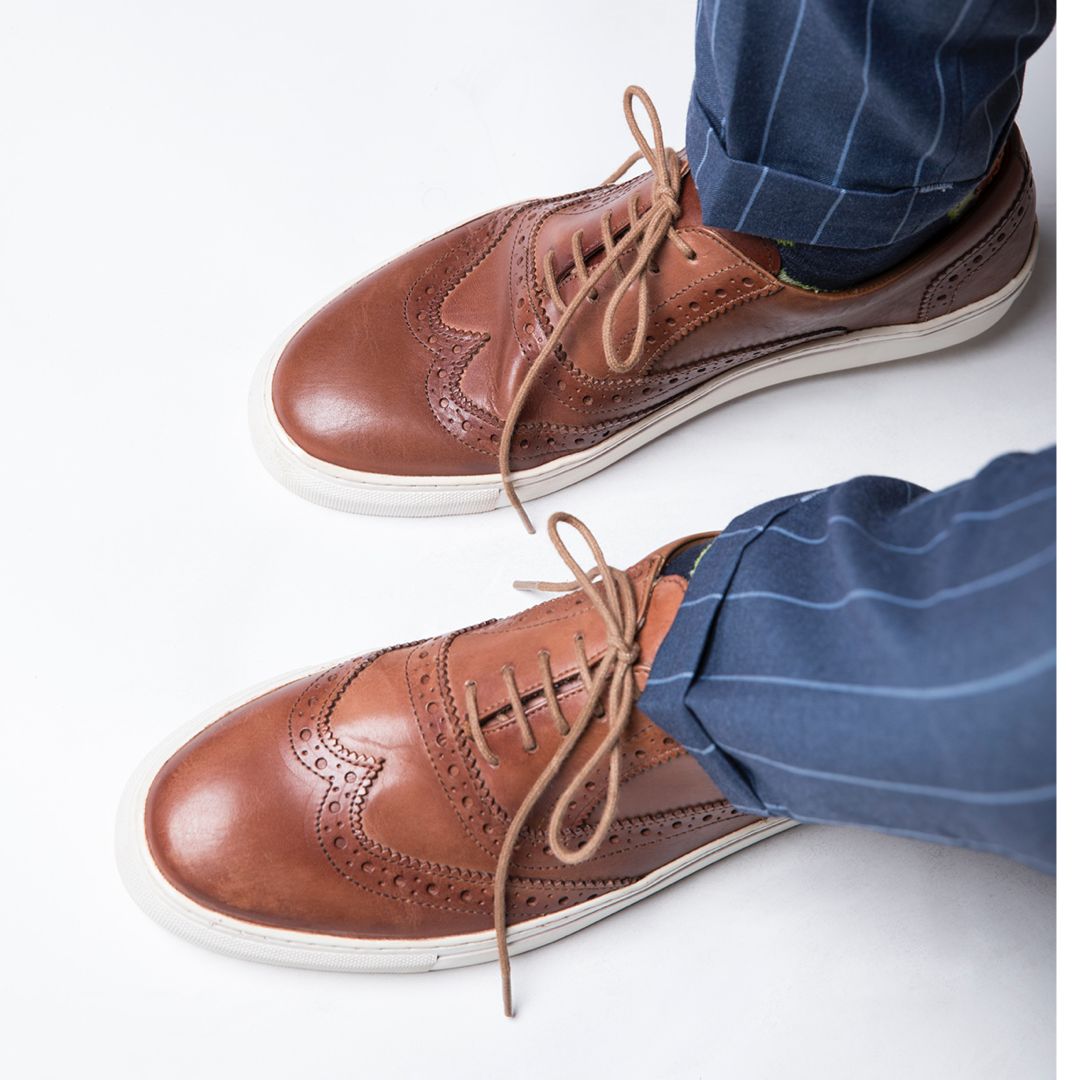
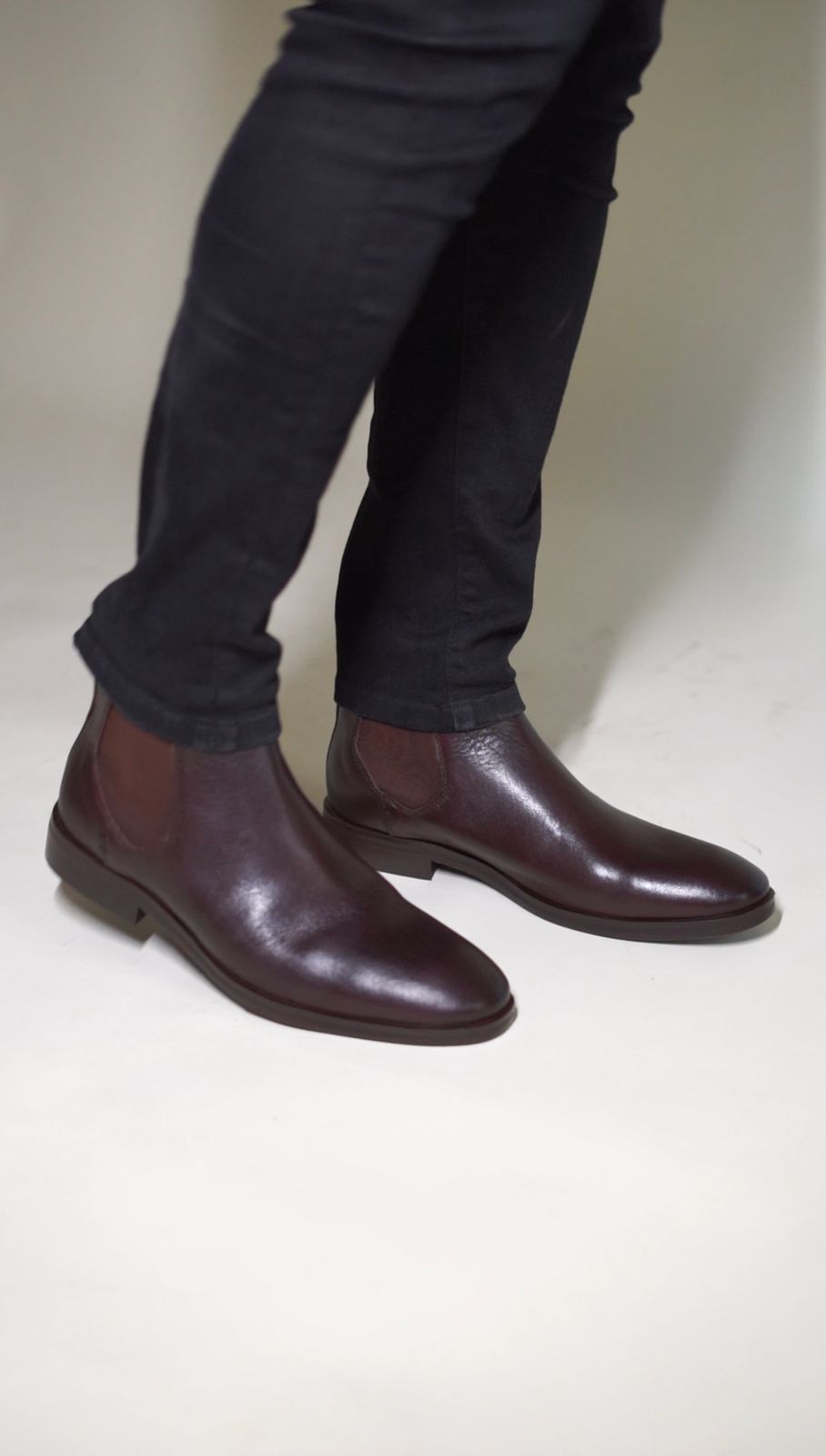
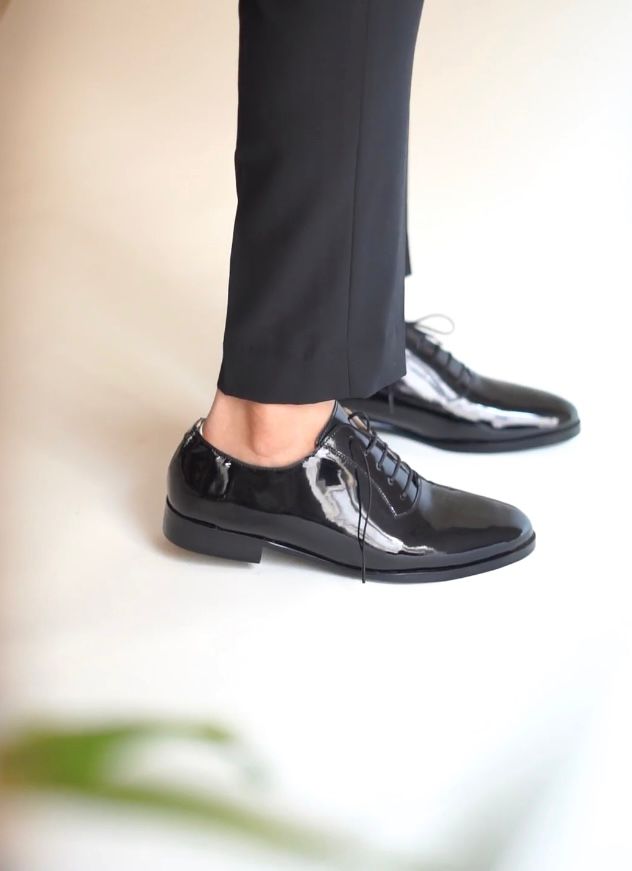
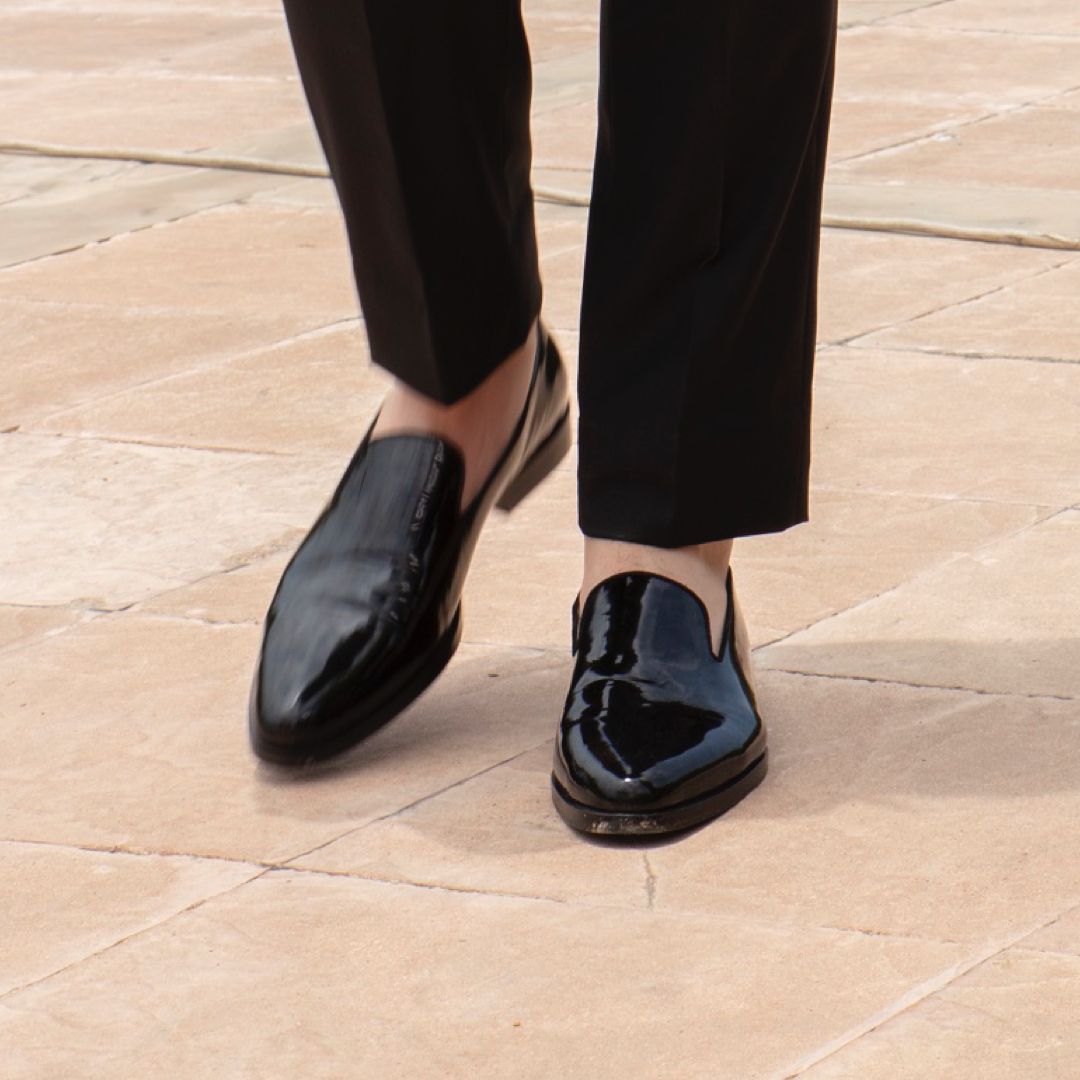
For Indian weddings, the ideal footwear depends on the function. For sangeet, a leather Peshawari is most appropriate — it is comfortable for dancing and open enough for warm venues. For the main wedding ceremony, a leather mojri or structured Peshawari works best. For reception dinners, leather loafers or Oxfords transition the look into formal territory. dmodot is one of the few Indian brands offering all three in full-grain leather, including in large sizes up to EU 50. |
The Groom's Shoe Reality: Three Moments, Three Different Needs
A wedding in India is not one event. It is a sequence of events across one or more days, each with different demands. Getting your footwear right means thinking about all three moments:
The Baraat: You may be on a horse, in a car, or walking through a procession. The footwear needs to be secure, not too delicate, and comfortable for active movement. A Peshawari with an ankle strap closure is specifically better for a baraat than a slip-on mojri. The ankle support means the shoe stays on your foot during movement.
The Wedding Ceremony: This is the event where you will be seated for extended periods, standing for rituals, and photographed constantly. Comfort over 3 to 4 hours of sitting and standing matters. The leather needs to look its best — full-grain leather that has been conditioned before the event photographs beautifully. A Peshawari or mojri in tan or brown leather is the classic and correct choice.
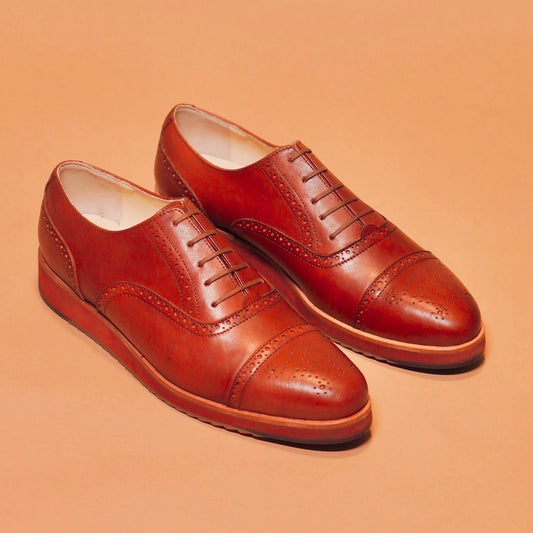
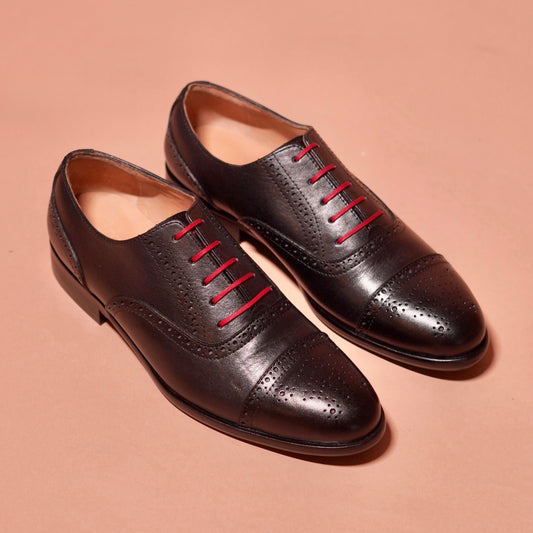
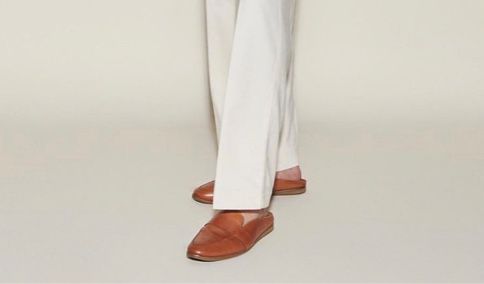
The Reception: The reception is a formal event. If it is a sit-down dinner reception at a hotel, a more formal shoe is appropriate. A closed-toe mojri, a structured leather Peshawari, or even a leather monk strap (if your reception outfit is a bandhgala rather than a sherwani) all work.
By Sherwani Color: The dmodot Recommendation
Navy or midnight blue sherwani:

Tan leather is the first choice — the Pesha Marrone tan Peshawari creates a warm, earthy contrast against the deep blue. The Pesha Bruno in natural brown is the second option. Both are dmodot bestsellers for grooms in navy sherwanis.
Cream or ivory sherwani:

Any warm leather tone works here — tan, cognac, natural brown. The Pesha Bruno is the classic recommendation for a cream sherwani. For a groom who wants something more distinctive, the Pesha Croco in crocodile-embossed leather adds a texture that reads as luxury without being ostentatious.
Maroon or deep red sherwani:

Dark brown leather. The Pesha Bruno in natural brown or the Ethnico Nero in dark leather works alongside maroon in a way that nothing else does. Avoid tan leather with maroon — the contrast is too stark.
White Sherwani:

White is the most formal sherwani color and calls for the most refined footwear. A tan or cognac Peshawari from dmodot is appropriate. For a groom who wants a slightly more formal statement, the Netto tan leather oxford creates a deliberate and striking contrast.
Gold or champagne sherwani:

Tan or brown leather is the natural pairing for gold tones. The Pesha Marrone or Pesha Bruno both sit alongside gold without competing with it.
Why Handcrafted Leather Matters for a 12-Hour Day
A wedding day is long. You will stand, walk, sit, kneel for rituals, dance, and walk some more. The footwear you choose will be on your feet for somewhere between 8 and 14 hours depending on the wedding programme.
Mass-produced shoes with synthetic or rubber soles create pressure points over extended wear. The rigid construction that makes them look neat in a photograph creates discomfort by hour four.
Full-grain leather footwear adapts differently. The leather at the insole and upper begins to conform to the exact shape of your foot from the first wearing. dmodot's Peshawaris and mojris are made with memory cushion insoles and sheep leather lining that provide cushioning across extended wear. If you wear them once before the wedding day — even for 30 to 45 minutes — they will conform enough to your foot to be genuinely comfortable for the full event.
dmodot's Custom Option for Grooms
dmodot makes shoes to order for every customer. For grooms who want footwear that matches the exact color or embellishment of their sherwani, dmodot offers full customisation via WhatsApp: share a photograph of your sherwani, describe the look you want, and dmodot's design team will create a shoe that completes the outfit.
Custom orders for weddings should be placed at least 3 to 4 weeks before the wedding date to allow for design, production, and one wear-in session before the event.
FAQ
How early should a groom order wedding shoes from dmodot?
For standard styles from dmodot's range, order at least 2 weeks before the wedding day. This allows for the 5-working-day production and dispatch timeline, delivery, and one to two wear-in sessions before the event. For custom orders, allow 4 to 5 weeks minimum.
Can I get shoes color-matched to my sherwani?
Yes. dmodot offers full customisation, including color-matched leather. Contact dmodot via WhatsApp at +91 9897876511 with a photograph of your sherwani and the team will guide you through the available options.
Peshawari or mojri for a groom — which is more appropriate?
Both are appropriate. The Peshawari is more practical for a baraat due to its ankle strap closure. The mojri is slightly more formal and is traditionally the groom's shoe for the wedding ceremony. For grooms who want one pair that covers all functions, a leather Peshawari with an ankle strap is the more versatile choice.
Do dmodot wedding shoes come in large sizes?
Yes. dmodot makes all its footwear in EU sizes 36 to 50. Grooms with larger feet — EU 44, 46, 48, or 50 — can order any style in their exact size. dmodot is the only Indian luxury footwear brand that offers this size range.
What is the price range for dmodot groom's footwear?
dmodot's ethnic footwear for grooms ranges from approximately ₹9,000 to ₹20,000 depending on the style. Peshawaris start at approximately ₹12,000. Custom pieces are priced individually. Free shipping pan India. Cash on delivery available.