
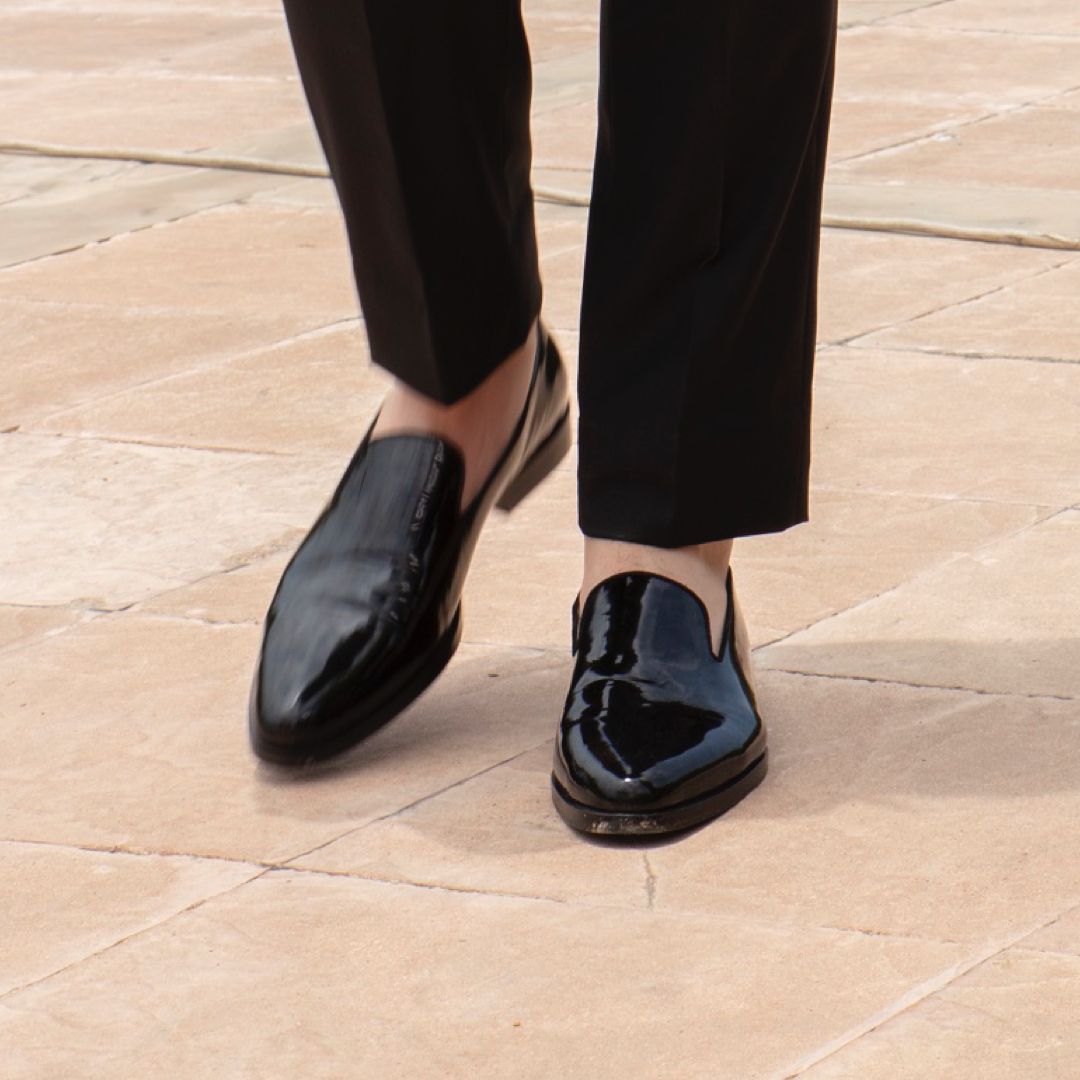


There is a conversation that happens quietly in the world of fine footwear. One takes place in the fitting rooms of heritage ateliers. And in the walk-in closets of men who know their footwear. It is the conversation about moccasins vs loafers. Two footwear silhouettes that to the untrained eye may appear nearly identical, yet to a craftsman or a connoisseur, couldn't be more different.
At dmodot, we believe that understanding your shoes is the first act of wearing them well. So let us settle this, once and for all, with the clarity it deserves.
The Origin Story - Where Moccasins and Loafer Shoes Come From
Every shoe carries its history in its construction. The origins of Moccasins and Loafers could not come from more different worlds.
The moccasin is one of the oldest forms of footwear known to humankind. Inspired by the traditions of Indigenous peoples of North America, they were crafted from a single piece of soft leather. Moccasins were made from tanned hide, which was gathered and sewn around the foot. The defining characteristic? A U-shaped vamp stitched directly onto the upper, creating that iconic puckered seam across the toe. It was functional, intimate, and deeply connected to the idea of the foot meeting the earth with as little mediation as possible.
The Loafer, by contrast, is a product of 20th-century leisure culture. Its lineage traces to Norway before being refined by American shoemaker G.H. Bass in the 1930s. Ivy League campuses adopted the loafer. Hollywood styled it. Italy perfected it. The loafer, however, was never a working shoe - it was, from the very beginning, a statement of effortless, educated ease.
Two shoes. Two entirely different philosophies.
The Construction - Where the Real Difference Between Loafers and Moccasins Lives
The difference between loafers and moccasins is most honestly found in the sole construction and how the upper meets it.
A true moccasin is built with what is called a "plug" or "moccasin construction". The upper wraps beneath the foot, functioning as both the insole and the outer shell. The sole, if there is one beyond the leather itself, is added secondarily. This is why genuine moccasins feel almost like a second skin. Moccasin shoes are constructed around the foot rather than placed beneath it.
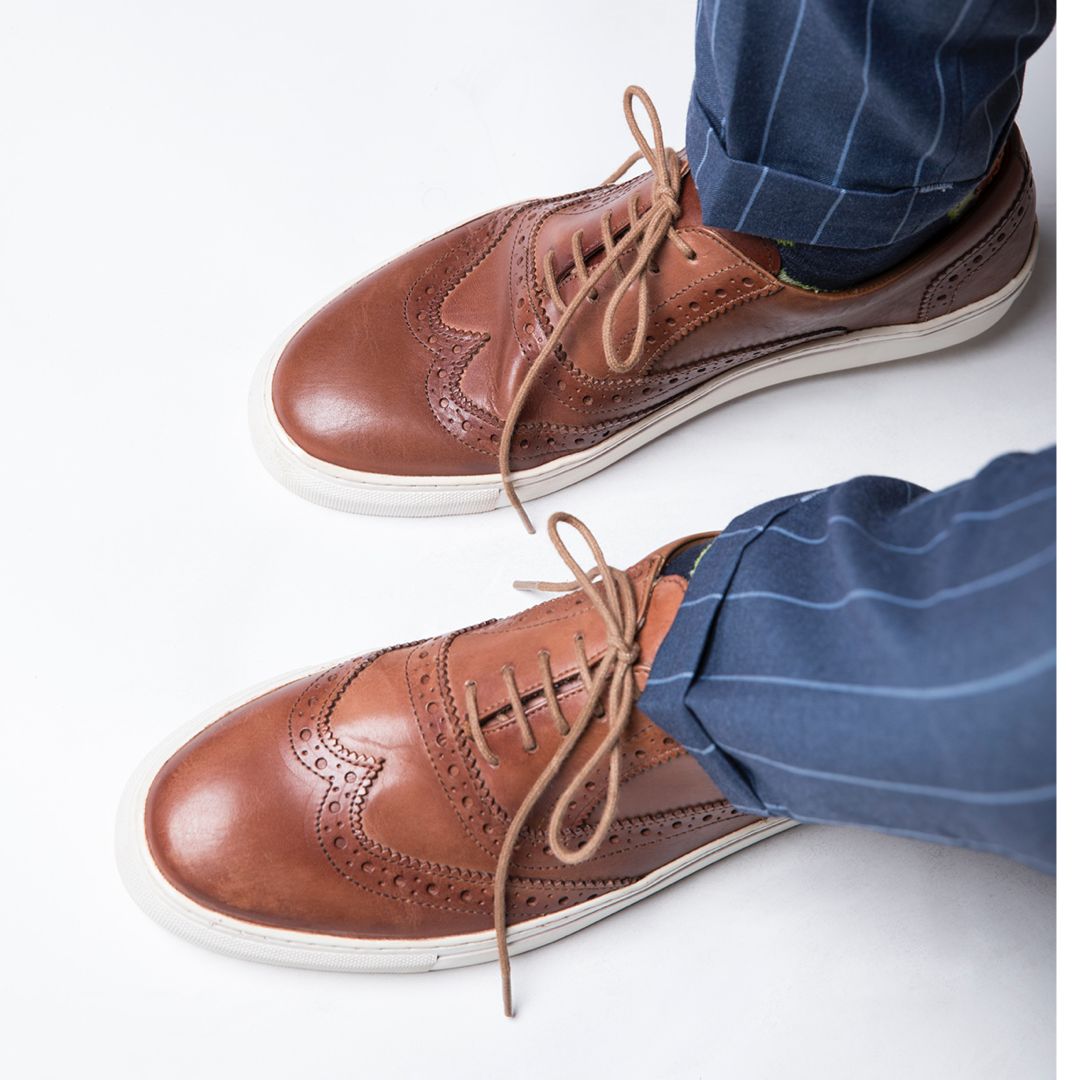
Loafer shoes, on the other hand, follow conventional shoe construction. The upper is added over an insole and then attached via Goodyear welting, Blake stitching, or cemented construction to a proper outsole. There is structure, there is formality in the architecture, even when the aesthetic is relaxed. A loafer has a heel counter. A loafer has a defined sole unit. A loafer stands on its own.

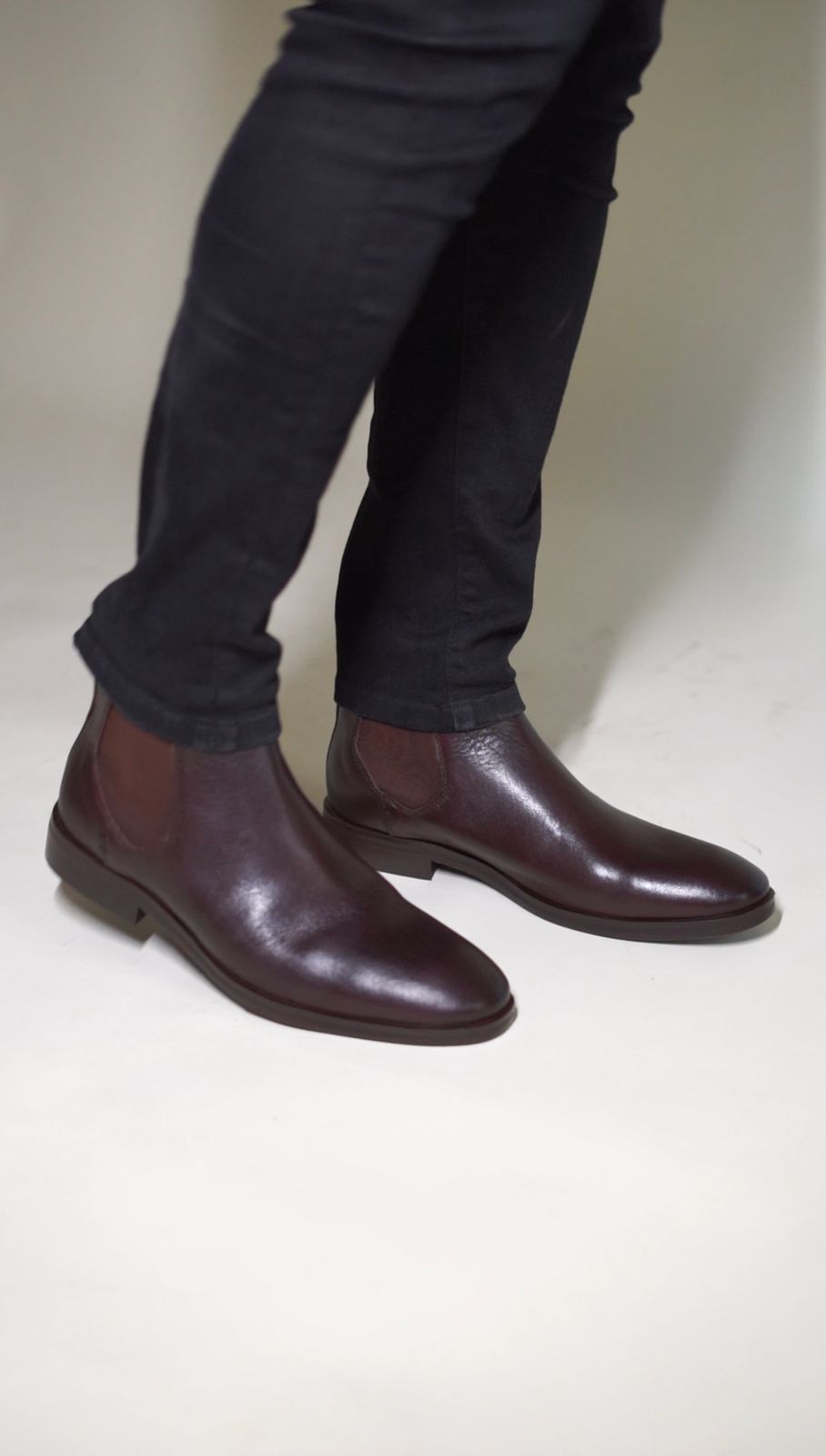
Shop Now: Bruno Classico – Dark Brown Leather Loafers for Men
The Silhouette and Styling of Moccasins vs Loafers
In moccasins vs. loafers, the aesthetic difference is equally significant.
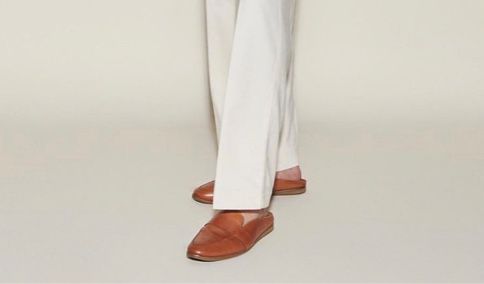
The moccasin carries an inherently casual, tactile quality. The gathered seam, the soft silhouette, the absence of rigid structure - it speaks of relaxation, of weekends. Moccasins are for a man who is deeply comfortable in his own skin. When styled well, a moccasin is among the most considered pieces a wardrobe can hold. It pairs effortlessly with tailored chinos, linen trousers, or even the right pair of shorts. But it remains, at its heart, a shoe of leisure.
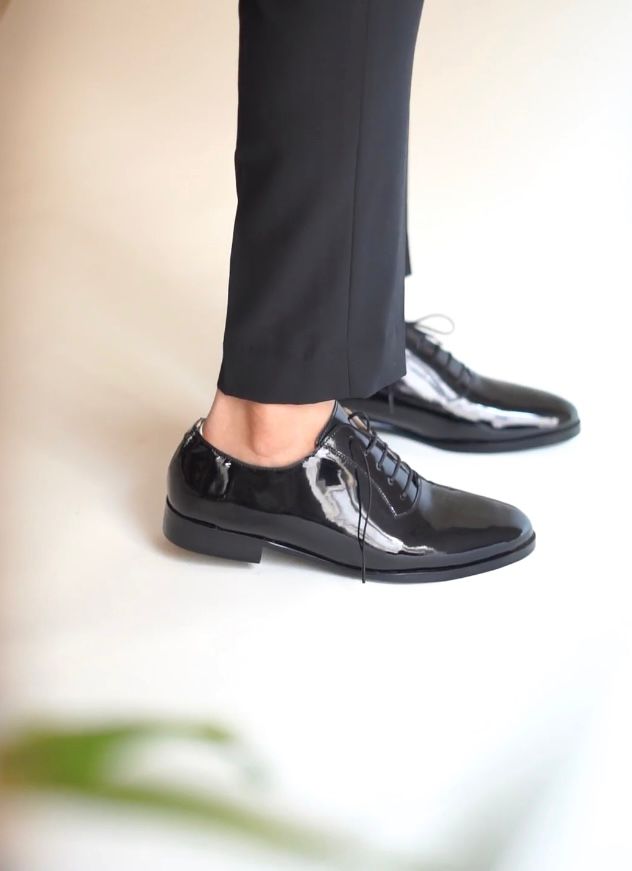
The loafer, by contrast, travels vertically through dress codes in a way the moccasin simply cannot. A well-crafted loafer in black commands the same respect as a Derby or Oxford in the right context.
Explore dmodot's curated collection of handcrafted moccasins and loafers - shoes made for the man who knows the difference.