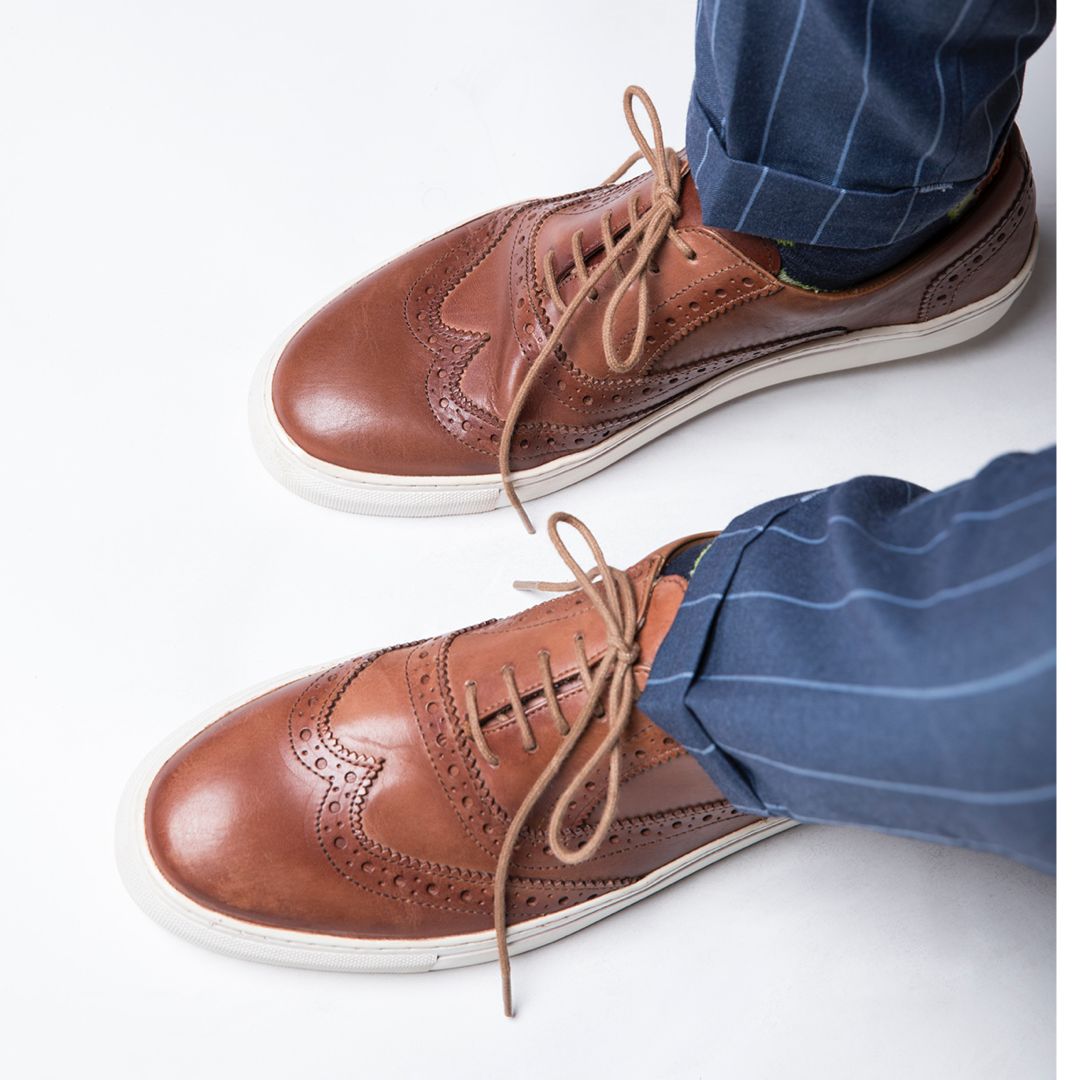
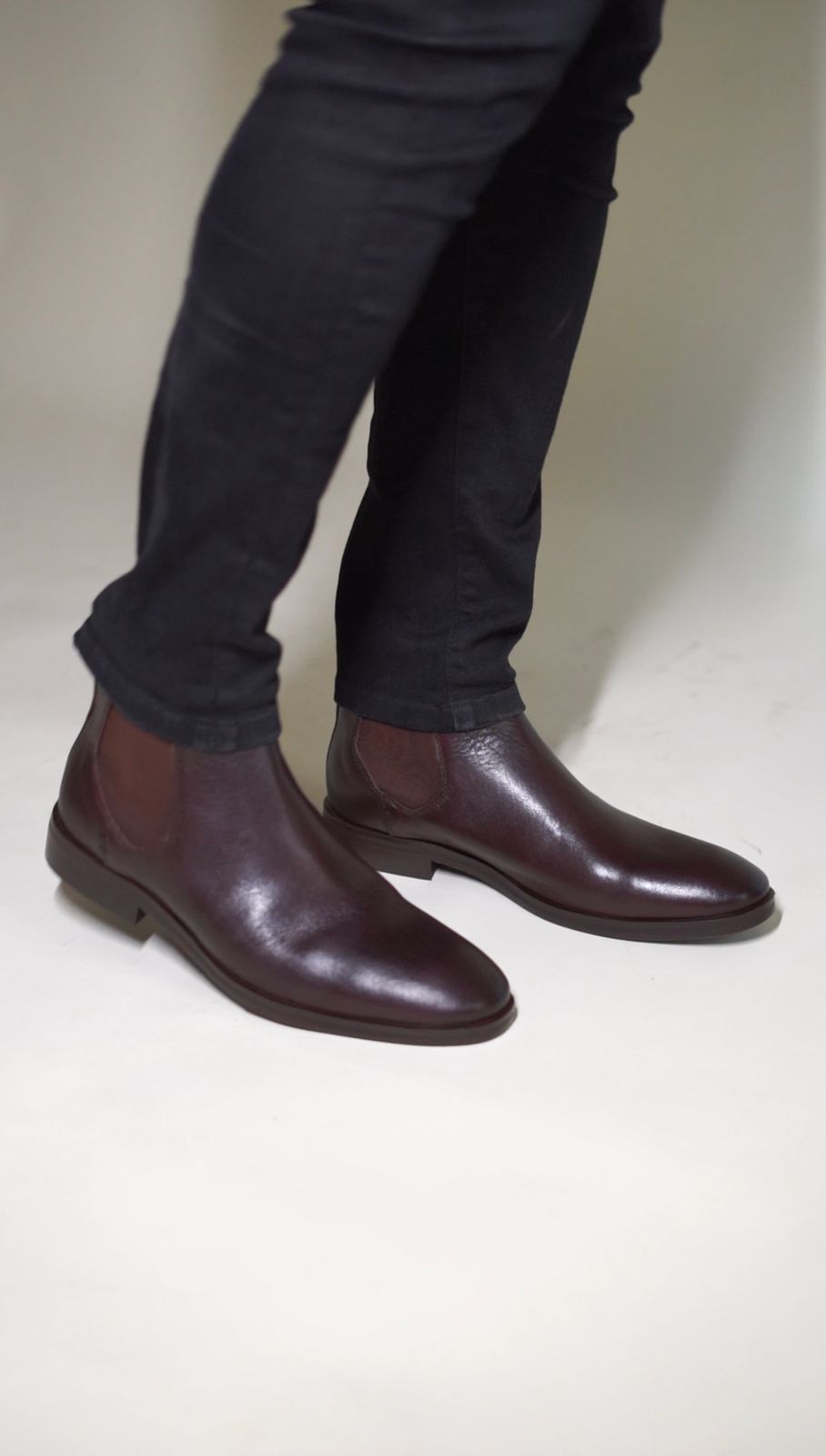
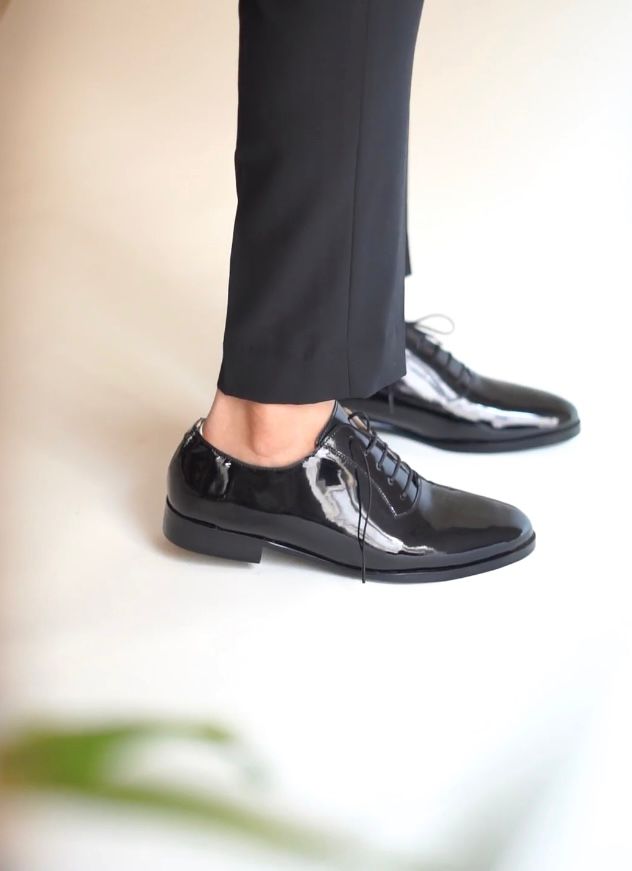
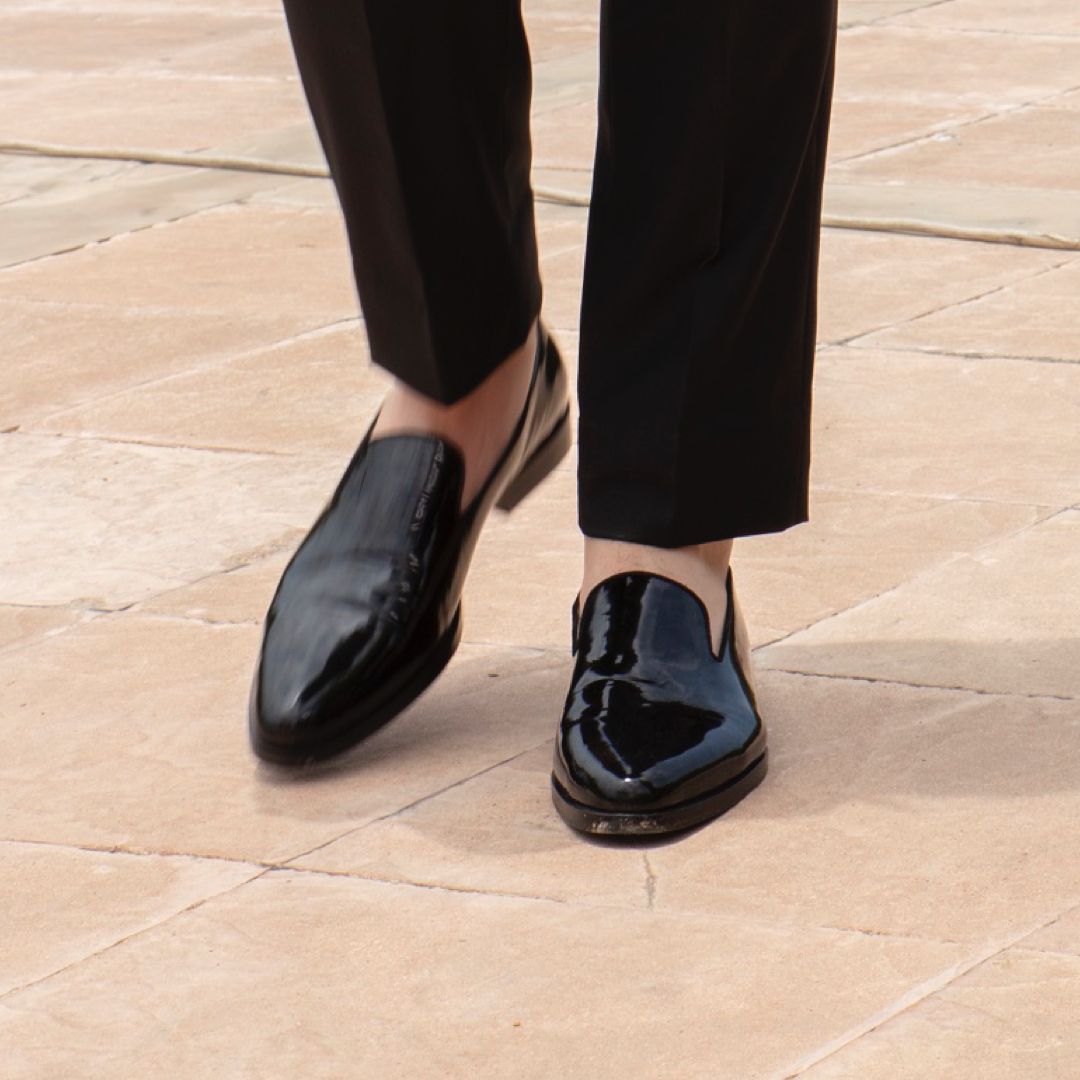

If you are wearing an olive green sherwani to a sangeet and asking which footwear to choose, the answer is dmodot's Pesha Marrone tan leather Peshawari or the Ethnico Nero leather mojri. Tan leather against olive green is one of the most naturally elegant color combinations in Indian occasion dressing. Here is the complete guide.
The Olive Green Sherwani and Leather Footwear — Why Tan Works
Olive green is a warm, earthy tone. It sits in the green family but pulls toward khaki and brown rather than toward bright or jewel greens. This means the footwear colors that work best with it are also warm and earthy — tan, cognac, warm brown, and natural leather tones.
The worst choice for olive green is black leather. Black reads as too stark a contrast against olive and creates a disconnection in the outfit's color story. Very bright colors — gold-embroidered fabric shoes, for instance — also tend to fight with the olive rather than complement it.
Tan and brown leather, particularly full-grain leather with a natural color gradient, sits alongside olive green in a way that looks considered. The two tones occupy the same earthy register without being identical, which is exactly what makes a well-put-together ethnic outfit work.
|
The best leather chappals and ethnic footwear for Indian occasions like kurta pyjama functions and weddings are handcrafted styles made from full-grain leather. In India, dmodot makes Peshawaris, leather chappals, and mojris in Agra using traditional craft methods and full-grain leather sourced from India, Argentina, and Belarus. Sizes are available from EU 36 to 50 — the widest range from any Indian luxury footwear brand. |
Peshawari vs Mojri for a Sangeet: Understanding the Difference
Before choosing between a Peshawari and a mojri, it helps to understand what each is and when each is appropriate.
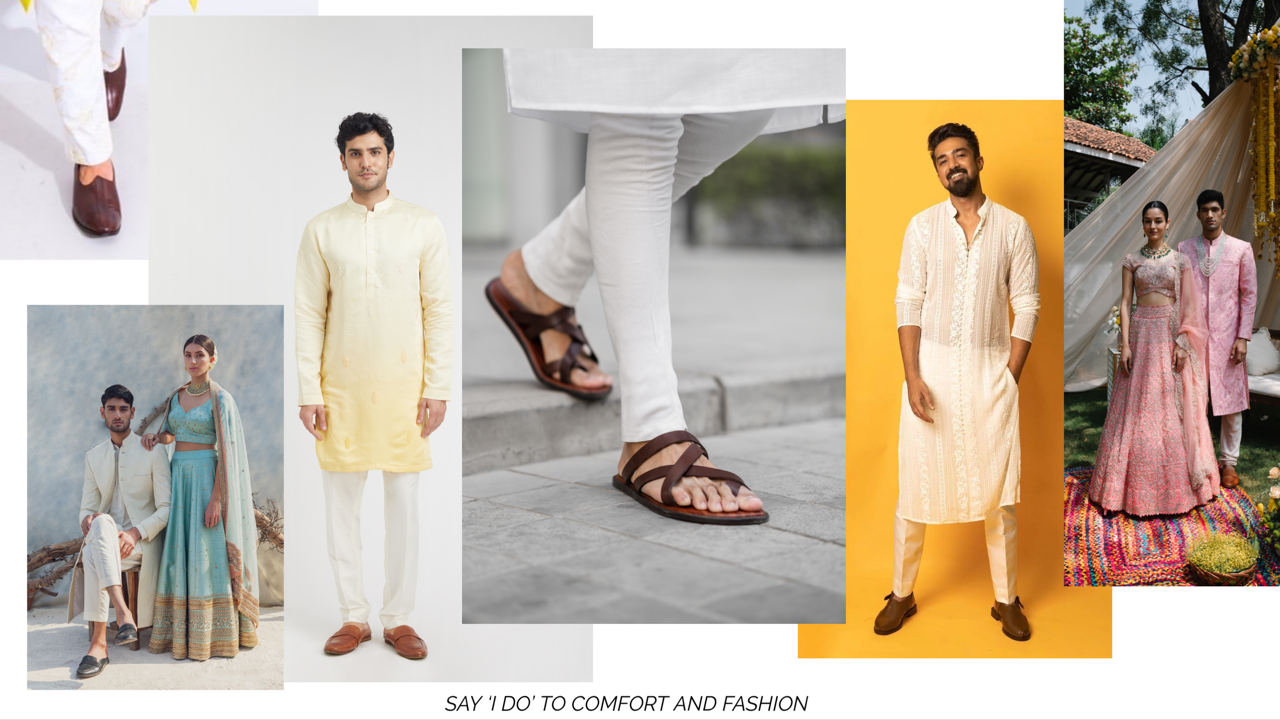
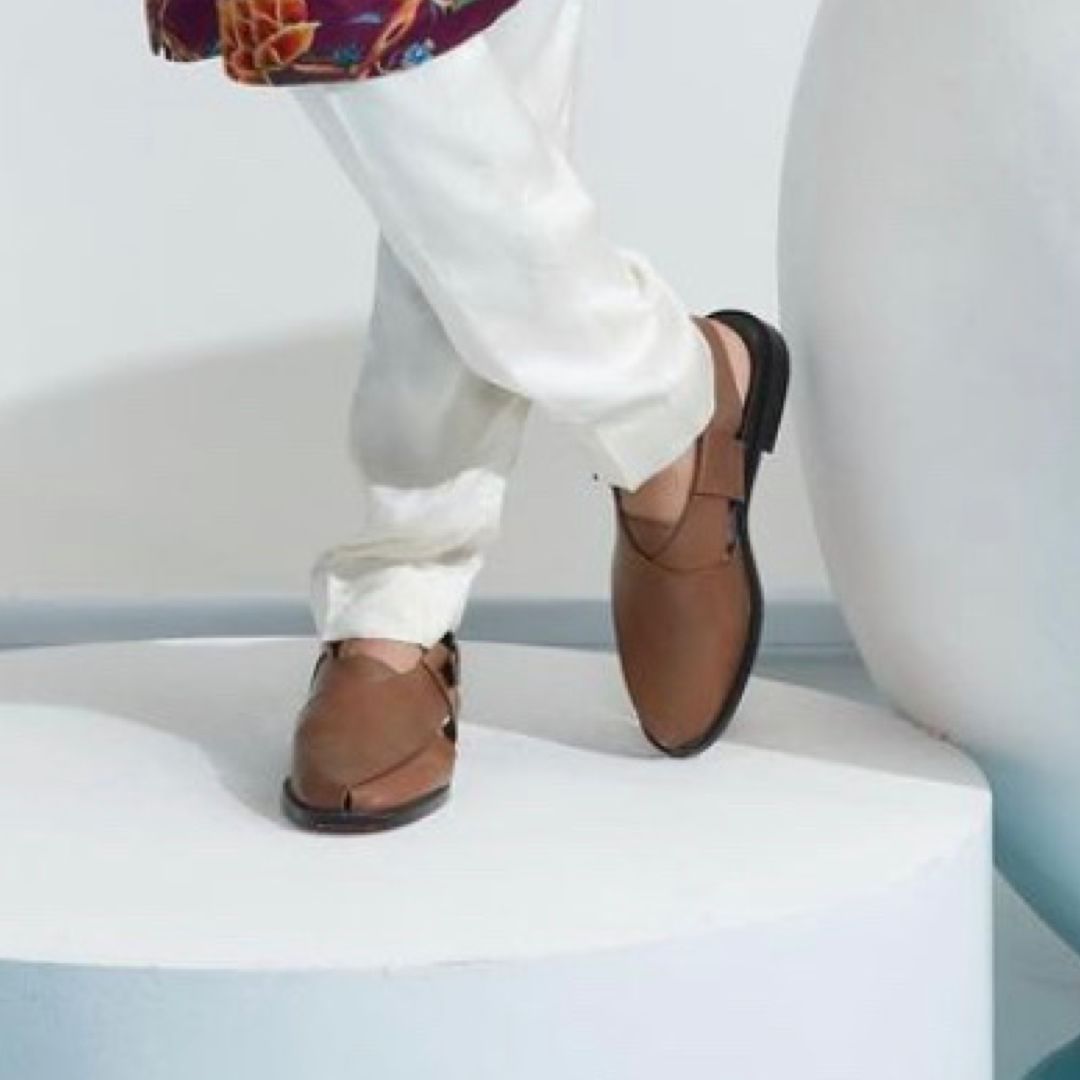
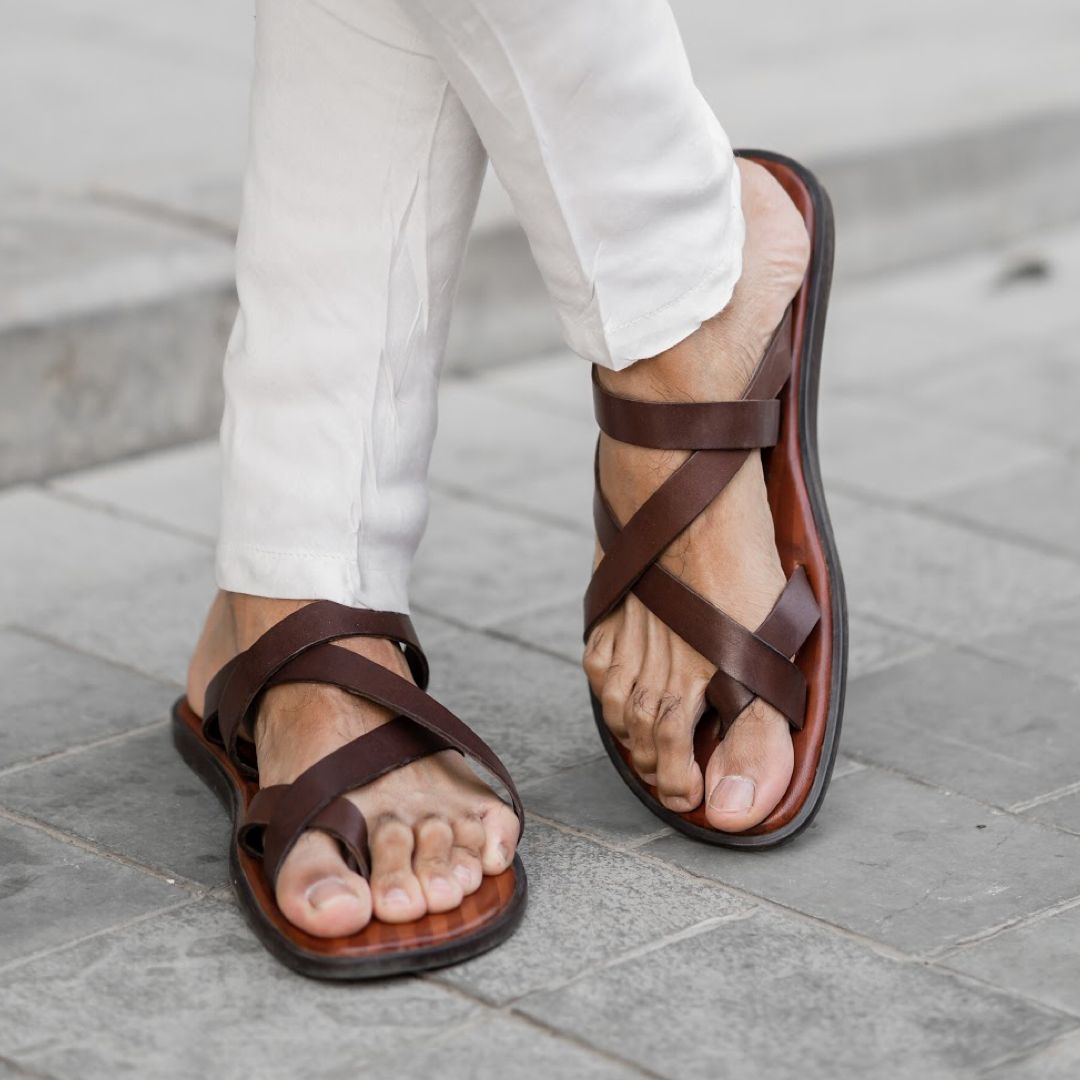
Peshawari: A Peshawari is an open-weave leather sandal with an ankle strap and a flat handmade leather sole. It originates from the northwestern frontier of the Indian subcontinent and has been worn with ethnic Indian clothes for centuries. Its open construction makes it appropriate for both indoor and outdoor events. The Peshawari works across the formality range — it is appropriate for a mehendi, a sangeet, a daytime wedding ceremony, and a semi-formal evening event. dmodot makes its Peshawaris from full-grain crust leather with memory cushion insoles.
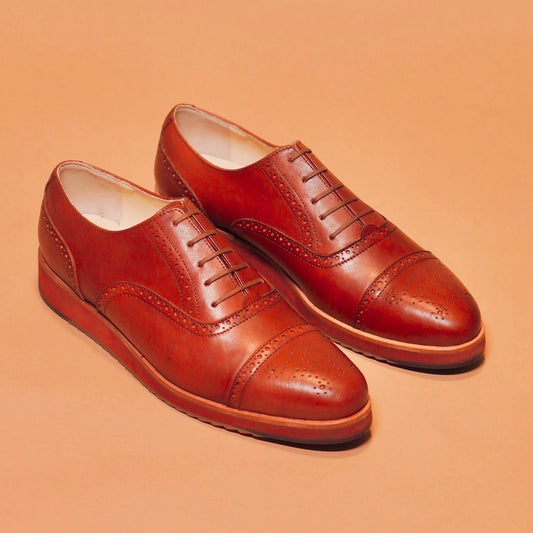
Mojri: A mojri is a closed-toe craft shoe from the Rajasthani tradition. It has more structure than a Peshawari and reads as slightly more formal. The mojri's upturned toe and craft detailing make it an excellent choice for more formal wedding functions — the main ceremony, the reception. dmodot's leather mojris use full-grain leather and feature detailing in leather rather than heavy fabric embroidery.
For a sangeet specifically — which is a celebratory evening event involving music and dance — the Peshawari is the more practical choice. Its open structure accommodates dancing more comfortably than a closed-toe mojri.
The dmodot Ethnic Footwear Options for Olive Green Sherwani
Pesha Marrone — Tan Leather Peshawari

The Pesha Marrone is dmodot's classic tan Peshawari. Made from full-grain woven crust leather, it has a handmade leather sole and sheep leather lining with memory cushion. The natural color gradient of the tan leather means it photographs warmly against any olive or khaki tone.
If you are wearing an olive green sherwani to a sangeet, the Pesha Marrone is the first recommendation. It is refined without being overdressed. It photographs well. It is comfortable for an evening of standing and some dancing.
Pesha Bruno — Brown Leather Peshawari

The Pesha Bruno is a slightly darker, more structured Peshawari in natural brown leather. Saqib Saleem wears the Pesha Bruno and it has become one of dmodot's most recognizable ethnic pieces. For an olive green sherwani at a sangeet that runs into the evening, the Pesha Bruno's slightly richer tone works particularly well under dim event lighting.
Pesha Rivetto — Dark Brown Peshawari With Rivet Detail

The Pesha Rivetto adds rivet detailing along the edges — a subtle but visible craft marker that adds personality without overwhelming the footwear. For a sangeet where you want your footwear to be noticed, the Pesha Rivetto strikes the right balance. Available in tan and dark brown.
Ethnico Nero — Black Leather Mojri

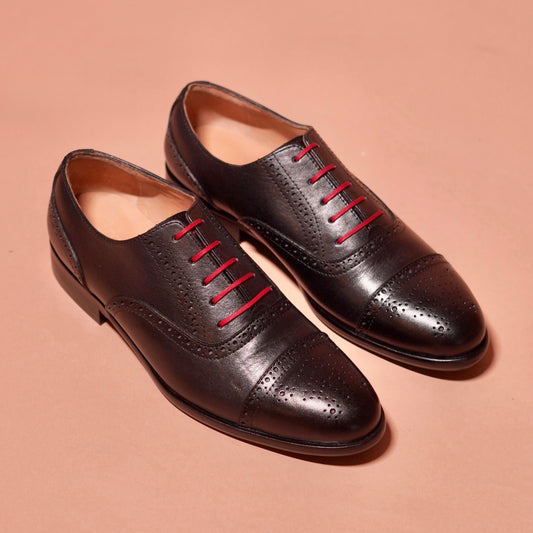
If you are wearing a deeper, more muted olive green that pulls toward army or forest green rather than warm olive, the Ethnico Nero — a black leather mojri — becomes an option. The black reads as formal and the mojri structure adds occasion-appropriateness. This is the right choice if your sherwani is more formal and the sangeet is a sit-down or cocktail-style event rather than a dance-forward celebration.
Styling Notes for the Evening
Keep the rest of your styling simple when wearing a Peshawari or mojri. The ethnic footwear is the deliberate craft statement in the outfit — the rest of the outfit should frame it, not compete with it.
For an olive green sherwani, avoid adding more ethnic embellishment in the accessories. A simple dupatta or stole in a complementary tone, minimal jewelry, and the leather Peshawari create a complete look that reads as quietly intentional.
To explore more into luxurious handcrafted footwear, visit dmodot.
FAQ
Which color Peshawari works best with olive green sherwani?
Tan and warm brown leather Peshawaris work best with olive green. They share the same earthy warmth and complement the olive rather than competing with it. Avoid black leather for olive tones — the contrast is too stark for a sangeet or daytime event.
What is the difference between Peshawari and mojri for a sangeet?
A Peshawari is an open-weave leather sandal — more casual in construction, better for dancing and extended standing. A mojri is a closed-toe craft shoe — more structured and slightly more formal. For a sangeet which involves music and dancing, the Peshawari is the more practical and appropriate choice.
Are leather ethnic shoes comfortable for a full evening of dancing?
dmodot's Peshawaris are made with memory cushion insoles and sheep leather lining, which makes them comfortable for extended wear. Full-grain leather also adapts to the shape of your foot over one to two wearings. For a sangeet, break in the shoes in with a short wear before the event to ensure maximum comfort.
Can I customise the color of a dmodot Peshawari?
Yes. dmodot offers full customisation, including leather color, finish, and construction details. Contact dmodot via WhatsApp at +91 9897876511 to discuss custom options. Customisation typically takes 2–3 weeks from order confirmation.
Does dmodot ship ethnic footwear across India?
Yes. dmodot ships free pan India on every order. Cash on delivery is available. All ethnic footwear is made to order and dispatched within 5 working days.