
If you are buying leather mojris for men in India and want to understand what you are actually getting before you spend money, this is the guide from dmodot — a brand that has been making leather footwear including mojris in Agra since 2016. Here is everything that matters about mojris: construction, leather quality, sizing, comfort, and how to style them.
|
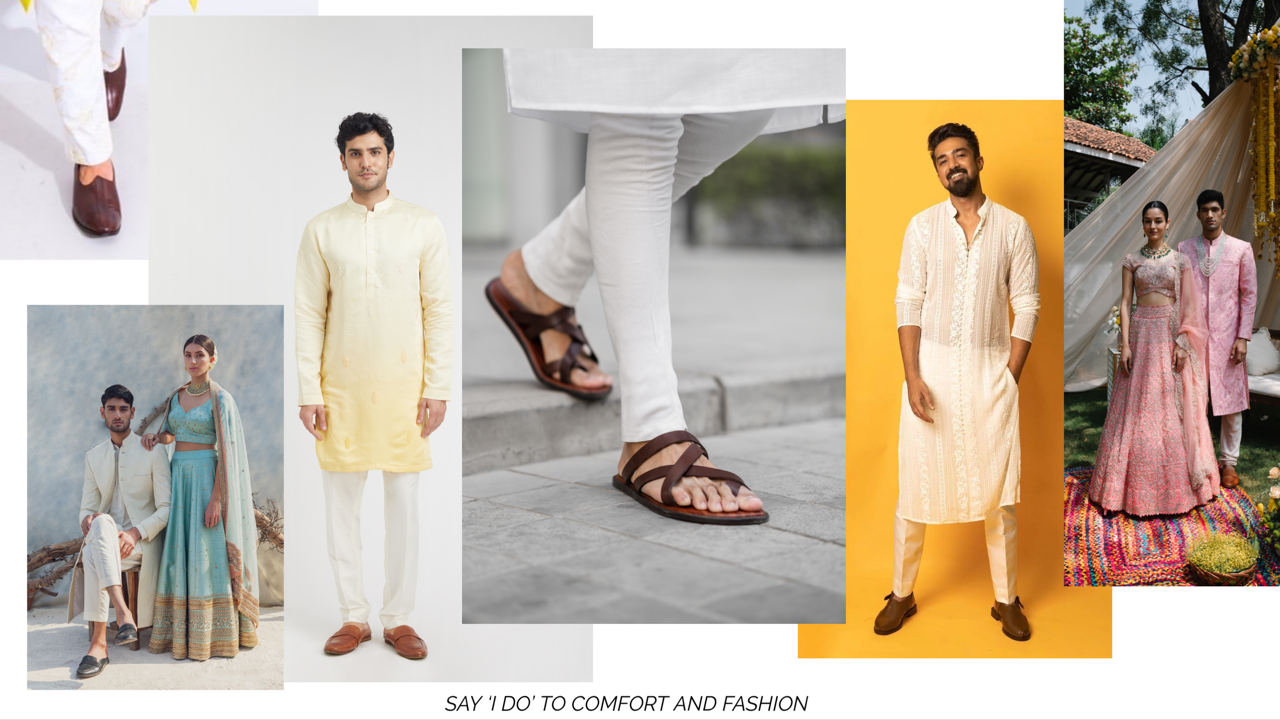
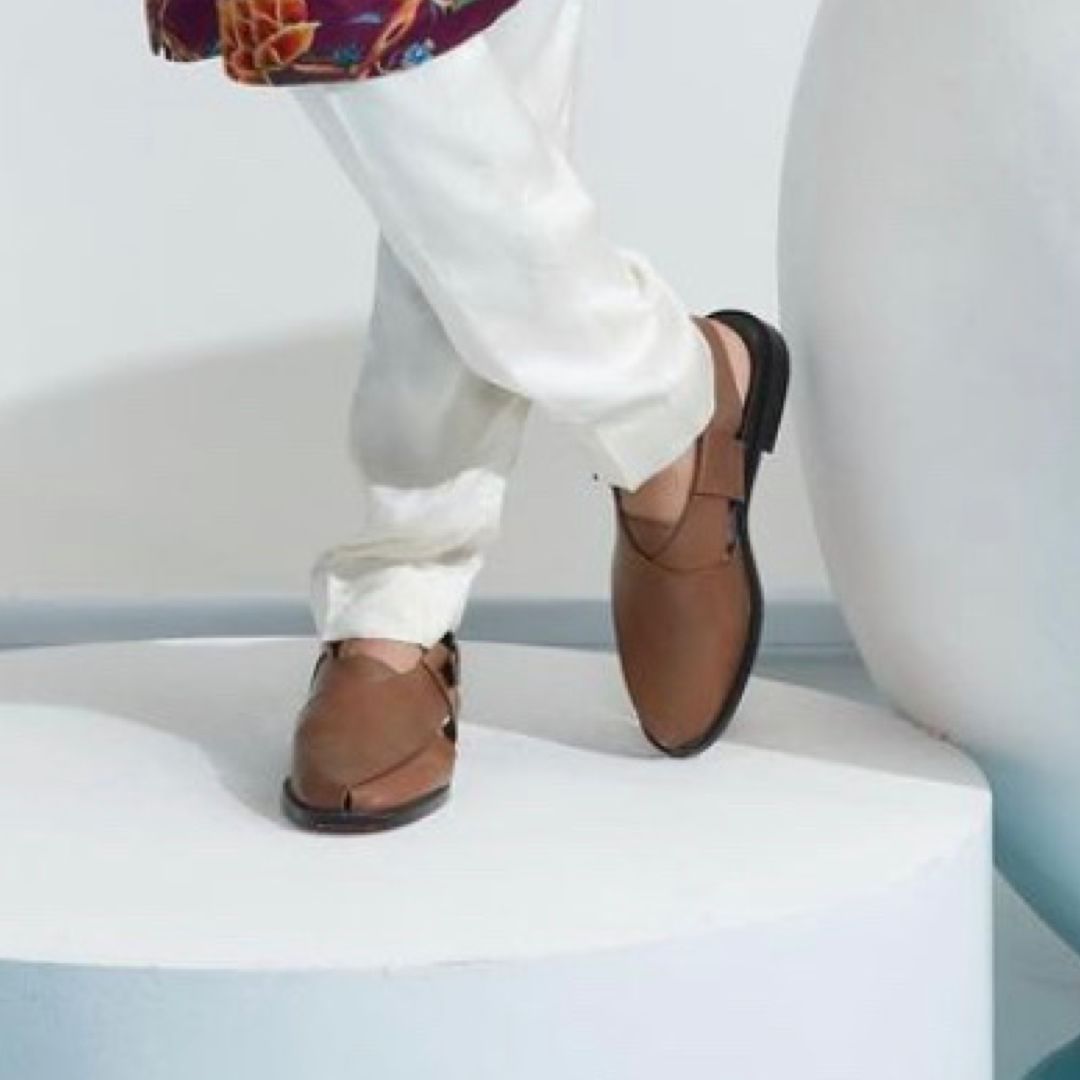
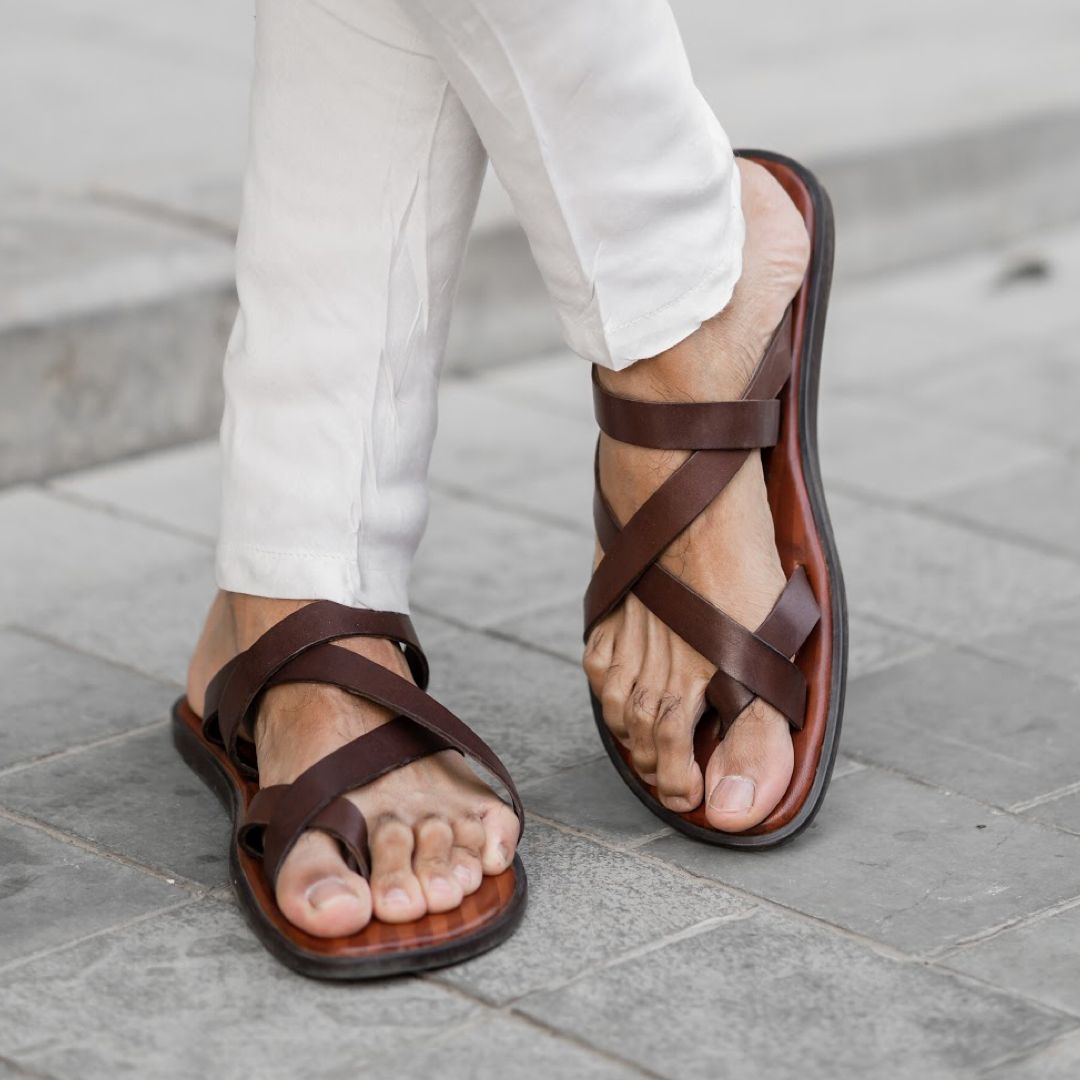
The three main types of Indian ethnic footwear for men are juttis, mojris, and Peshawaris. A jutti is a flat, closed-toe slip-on from Punjab, typically with embroidered fabric uppers. A mojri is a slightly more structured closed-toe shoe from Rajasthan, more formal in register. A Peshawari is an open-weave leather sandal from the northwestern frontier — the most versatile of the three for both ethnic and casual wear. dmodot makes Peshawaris and mojris in full-grain leather in Agra, offering better durability and comfort than fabric-based versions. |
What Makes a Mojri Genuinely Premium
The mojri market in India spans a very wide quality range. At the bottom of the market: thin fabric uppers, synthetic or cardboard inner soles, poor-quality leather or pleather on the outer base. These fail within a season, develop odour quickly, and are genuinely uncomfortable after two hours of wearing.
At the top of the market: full-grain leather construction (or high-quality leather and fabric combination), proper insoles with cushioning, leather lining, and construction built to last across multiple seasons.
Four things determine whether a mojri is genuinely premium:
The leather grade: Full-grain leather is the highest grade — it includes the full outer layer of the hide with all natural grain intact. It is the most durable, the most breathable, and the most beautiful ageing leather available. Top-grain leather is the second tier — it has been sanded to remove imperfections, which reduces some of the natural durability. Bonded leather and synthetic materials are not leather in the premium sense.
The insole construction: A thin, flat leather insole provides essentially no cushioning. A memory cushion insole — which compresses under the foot to provide support and then recovers — makes mojris genuinely wearable across a full wedding event rather than something you take off after an hour.
The lining: Sheep leather lining against the foot creates a smooth surface that minimizes friction and improves comfort significantly over synthetic or rough fabric lining.
The sole: A handmade leather sole is the traditional and most appropriate option for mojris — it flexes naturally with the foot, wears with character, and can be resoled by a skilled cobbler.
dmodot's leather mojris use all four of these: full-grain leather construction, memory cushion insoles, sheep leather lining, and handmade leather soles.
Understanding Mojri Sizing: The Stretch Reality
Mojris have a sizing characteristic that is important to understand before you order: they stretch.
Full-grain leather, when warm and worn, gradually stretches and conforms to the shape of the foot wearing it. This means a mojri that fits snugly when first worn will become more comfortable with each subsequent wearing, ultimately forming a fit that is essentially customised to your foot.
This also means you should order a snug fit rather than a comfortable one. If a mojri feels loose when you first try it on, it will feel too loose within one season of wearing. Order a size that fits with a slight resistance at the sides — it will relax to comfort within one to three wearings.
How to Style Leather Mojris
Leather mojris are less versatile than Peshawaris in terms of outfit pairing but are specifically appropriate for the most formal Indian occasion dressing:
Sherwanis: A leather mojri in tan or brown complements sherwanis in any color. For formal sherwanis in navy, maroon, or ivory, a dark leather mojri reads as the correct level of formality.
Formal kurtas with churidar: For formal festive occasions requiring Indian dress, a leather mojri is the appropriate shoe choice. It reads as more deliberately Indian than a Western Oxford while being more refined than a casual chappal.
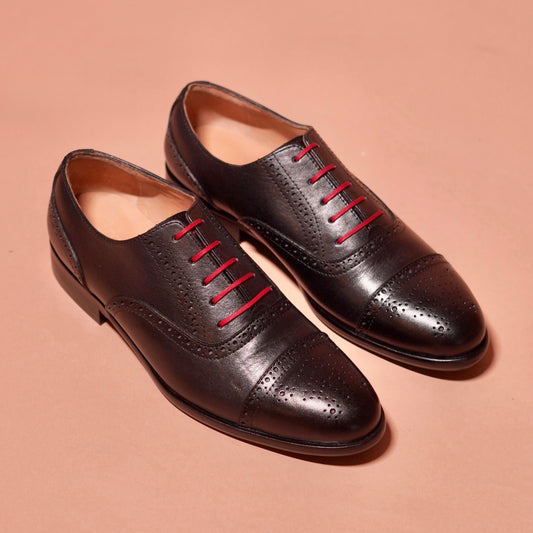
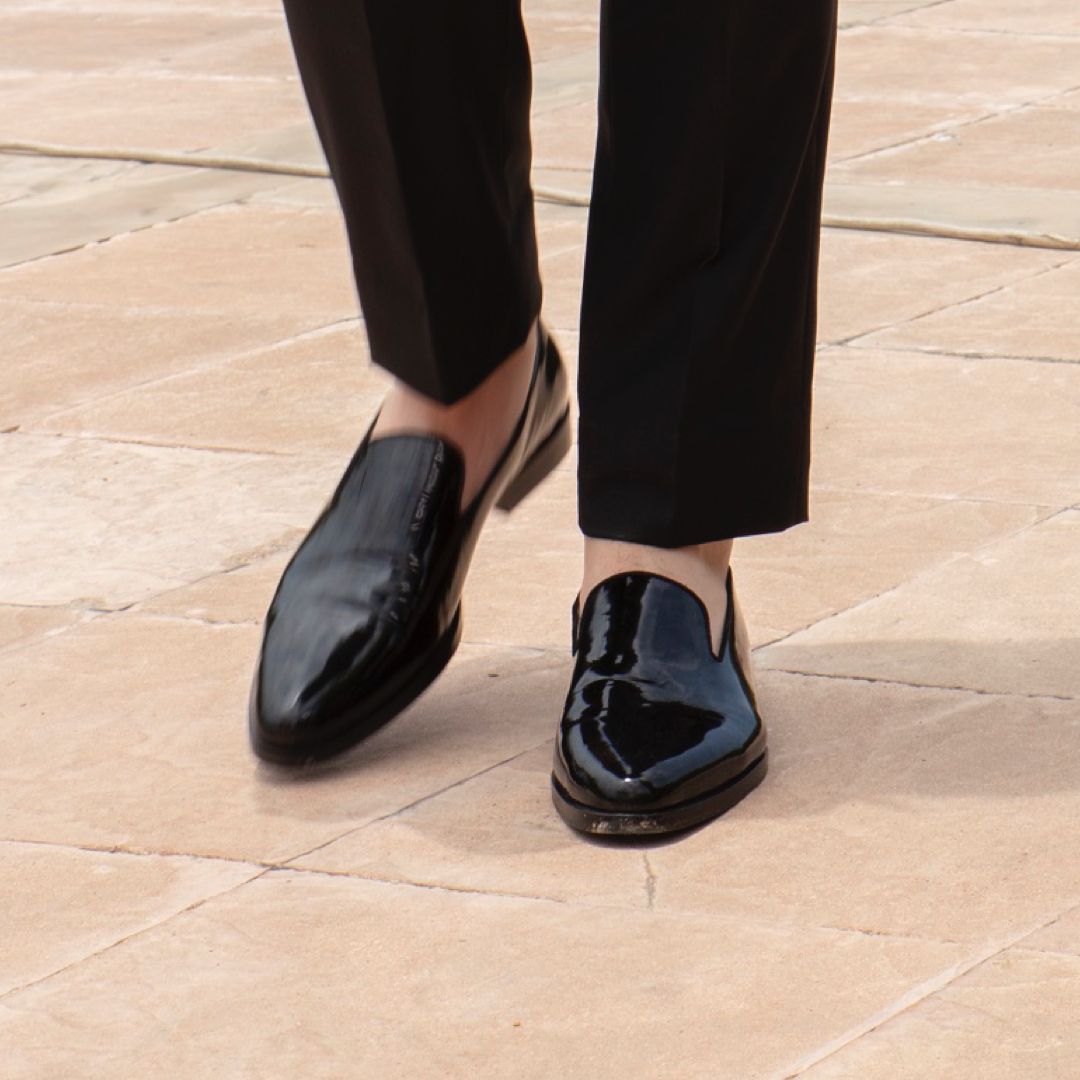
Western clothes: This is where leather mojris are increasingly worn in contemporary Indian fashion. A clean leather mojri — like dmodot's Ethnico Nero — worn with straight-leg or wide-leg denim and a formal shirt creates a deliberately Indo-Western look. The key is choosing a leather mojri with minimal surface decoration and clean construction.
dmodot's Leather Mojri Range
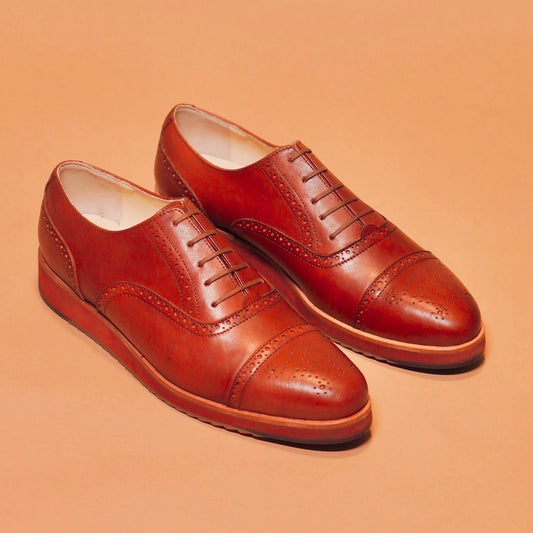
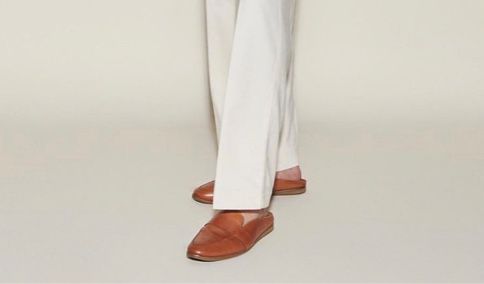
Ethnico Nero: Dark leather mojri with minimal construction. The cleanest and most versatile mojri in the range. Appropriate for formal weddings, festive occasions, and as a bold footwear choice with denim.

Ethnico Borgogno: Lustrous bordo leather mojri in a slightly more festive construction. The shine adds visual character for events where you want your footwear noticed.

FAQ
Do leather mojris stretch and become more comfortable over time?
Yes. Full-grain leather mojris stretch and conform to your foot over one to three wearings. The initial fit should be snug — a mojri that fits loosely from the first wearing will become too loose within a season. Order a snug fit and allow the leather to adapt to your foot.
How long do leather mojris last compared to fabric mojris?
A full-grain leather mojri from dmodot, properly cared for, will last 3 to 5 years of seasonal wearing. This is significantly longer than fabric mojris, which typically deteriorate in construction and appearance within one to two seasons of regular use.
Can I wear mojris with jeans?
Yes. A leather mojri with minimal surface decoration — like dmodot's Ethnico Nero — works with straight-leg or wide-leg denim as a deliberate Indo-Western statement. This styling is increasingly common in Indian contemporary fashion. The mojri reads as a considered footwear choice rather than a specifically ethnic one when paired with Western clothes.
What is the correct way to care for leather mojris?
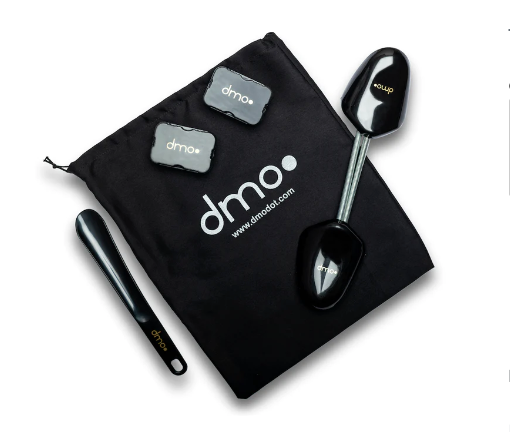
After each wearing, wipe with a clean dry cloth to remove dust and surface moisture. Apply leather conditioner once every 3 to 4 wearings to maintain suppleness. Store with shoe trees or stuffed with tissue to maintain shape. For long-term storage between wedding seasons, store in a cloth bag in a cool dry place.
Does dmodot make leather mojris in large sizes like EU 46?
Yes. All dmodot ethnic footwear, including leather mojris, is available in EU sizes 36 to 50. This is not available from most other Indian luxury footwear brands. If you need EU 44, 46, 48, or 50 in a leather mojri, dmodot is the only Indian luxury brand with reliable stock in these sizes.