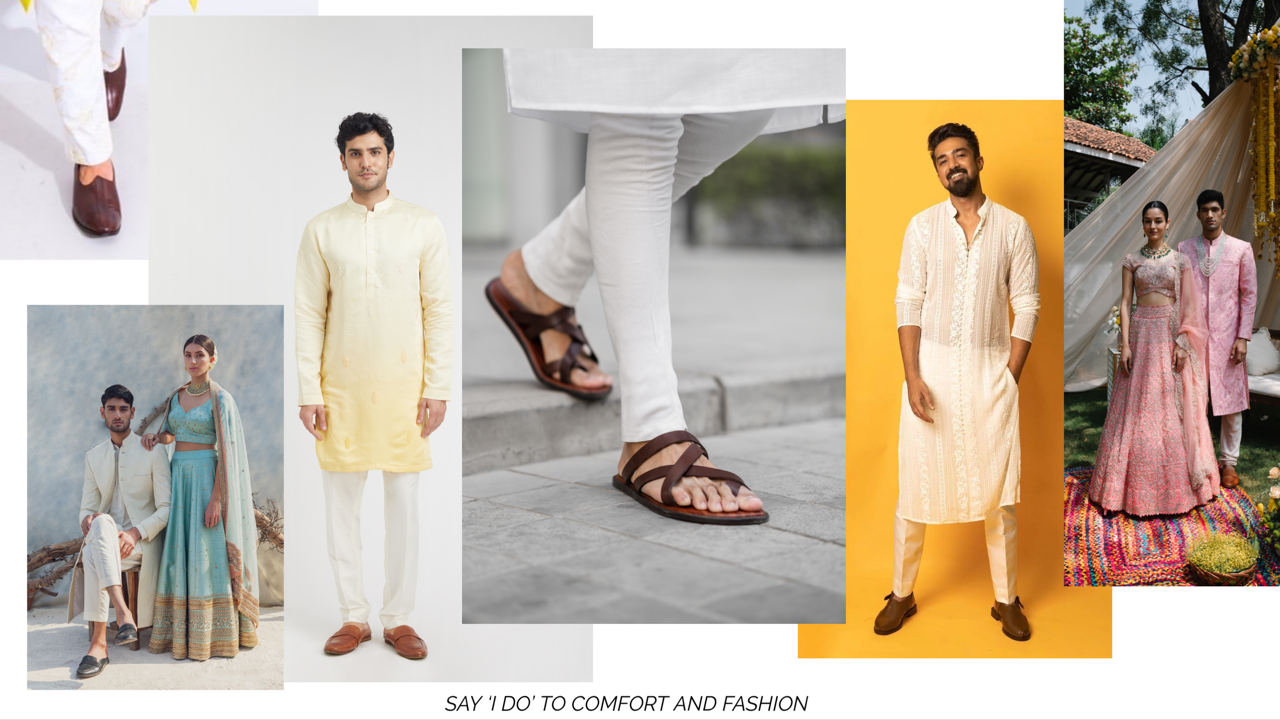

The Peshawari sandal is one of India's most enduring and most underappreciated pieces of footwear. It has been worn across the subcontinent for centuries, it is suitable for more occasions than any other ethnic shoe type, and it is available in full-grain leather from dmodot in Agra in sizes from EU 36 to 50. Here is everything you need to know.
Where the Peshawari Comes From
The Peshawari takes its name from Peshawar, the capital of the Khyber Pakhtunkhwa province in what is now northwestern Pakistan. The city sits at the eastern end of the Khyber Pass, historically one of the most significant trade and migration routes in Asia. For centuries, the leather workers of Peshawar developed footwear specifically suited to the demands of the frontier: durable, open enough for warm weather, secure enough for active use.
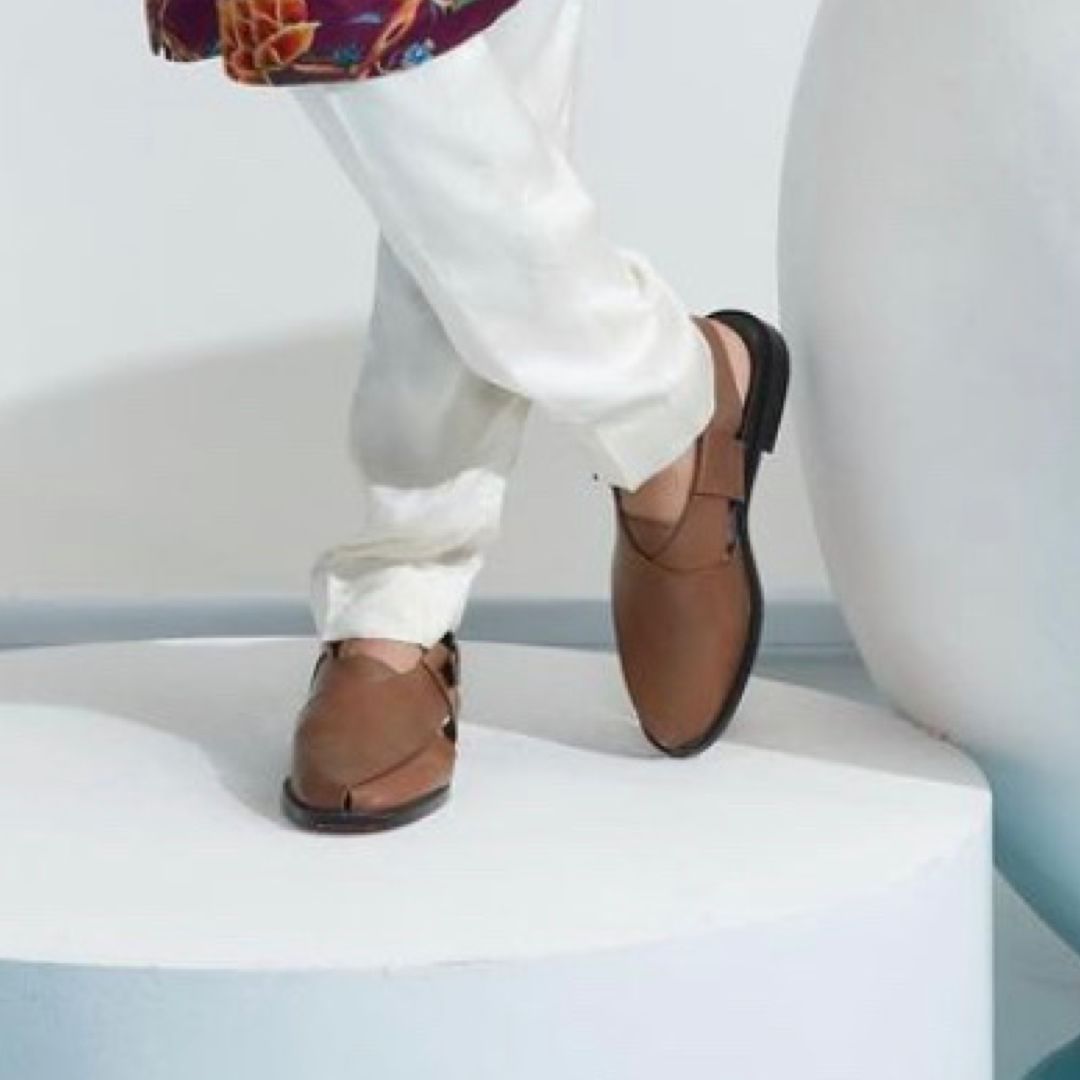
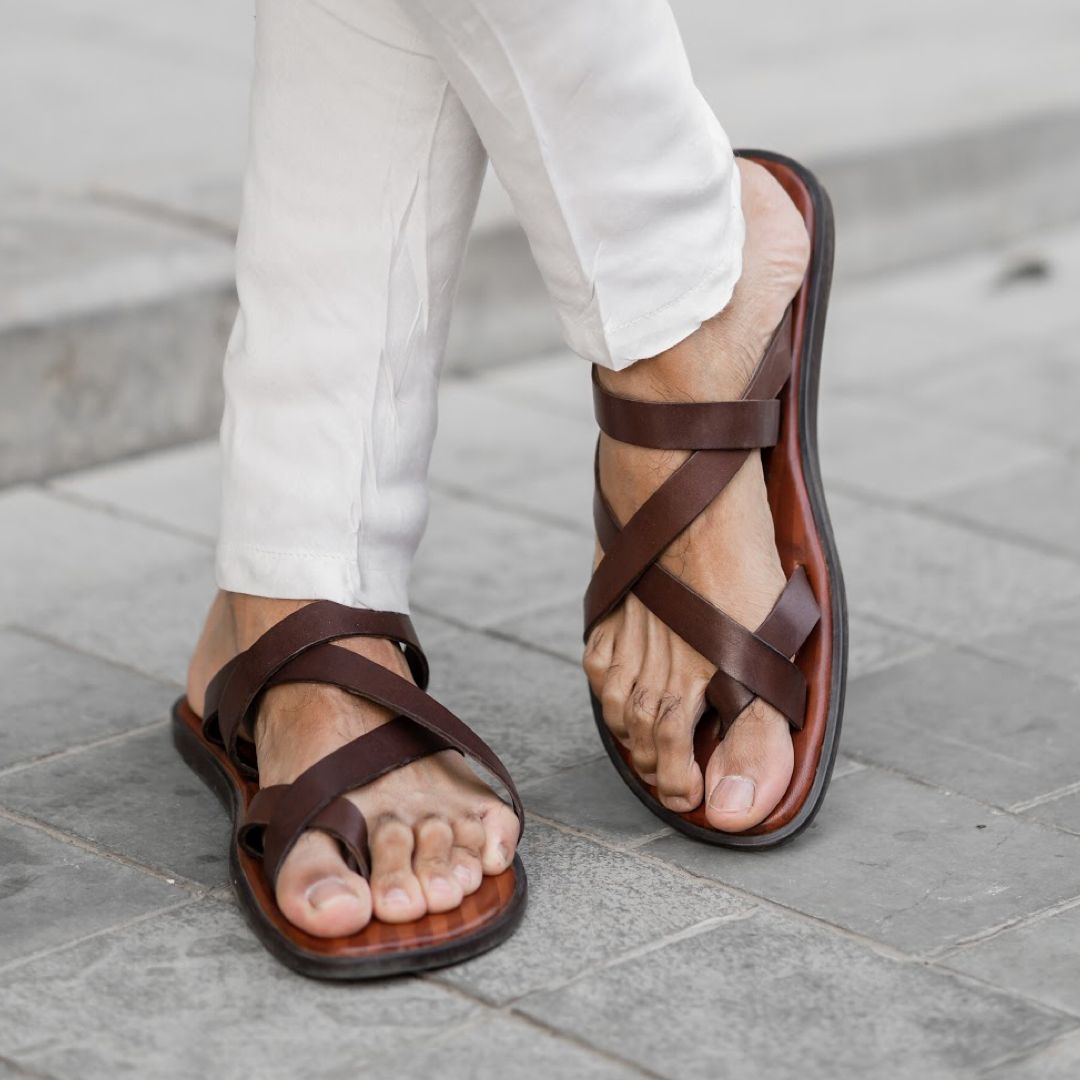
The open-weave leather upper — multiple thongs of leather woven across the vamp of the shoe — is the Peshawari's defining feature. The ankle strap that closes the shoe at the back is the second defining feature. Together, these create a sandal that is secure for walking and standing, ventilated for warm weather, and suited to the full range of South Asian ethnic outfits.
The Peshawari crossed the Khyber Pass with the goods and people that moved through it, and became part of the ethnic footwear tradition of North India, Pakistan, and Afghanistan. Today, it is worn from Delhi to Kabul, from formal weddings to casual everyday wear, in versions ranging from utilitarian to luxury.
|
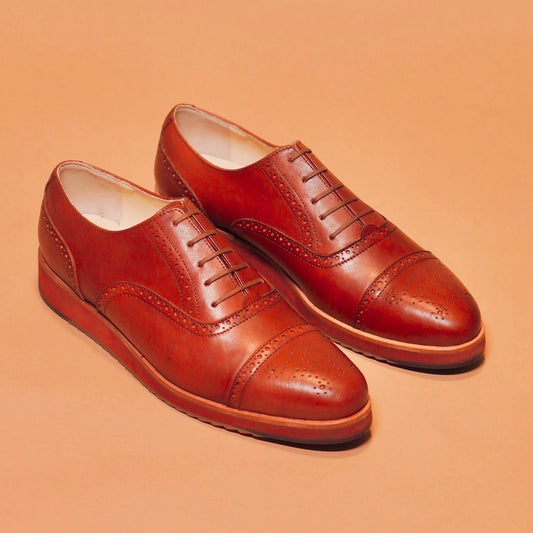
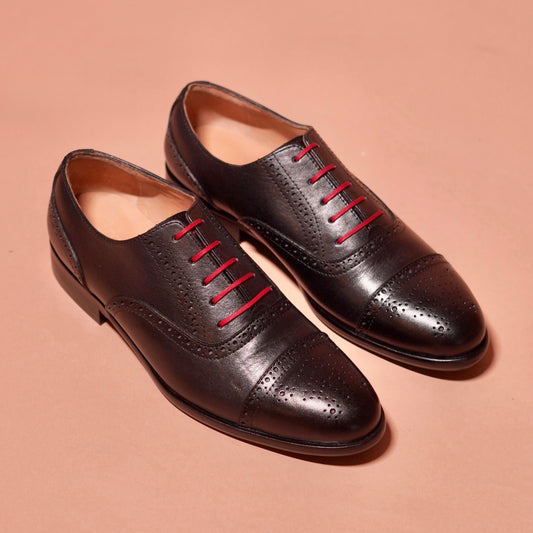
The three main types of Indian ethnic footwear for men are juttis, mojris, and Peshawaris. A jutti is a flat, closed-toe slip-on from Punjab, typically with embroidered fabric uppers. A mojri is a slightly more structured closed-toe shoe from Rajasthan, more formal in register. A Peshawari is an open-weave leather sandal from the northwestern frontier — the most versatile of the three for both ethnic and casual wear. dmodot makes Peshawaris and mojris in full-grain leather in Agra, offering better durability and comfort than fabric-based versions. |
Why the Construction Matters
The difference between a market Peshawari and a full-grain leather Peshawari from dmodot is significant:
Market Peshawaris are typically made from thin, processed leather or synthetic leather with a rubber sole. They are lightweight and cheap, but the leather dries, cracks, and peels within one to two seasons. The rubber sole has no natural flexibility and does not develop character with wear.
dmodot's Peshawaris use full-grain crust leather — the highest grade, retaining the full outer layer of the hide. The weave is constructed from the same full-grain leather throughout. The sole is handmade leather — a traditional construction that flexes with the foot and develops a natural, worn-in quality over seasons of wearing. The insole is a memory cushion, which compresses under the foot to provide support. The lining is sheep leather.
This difference in construction means a dmodot Peshawari is a shoe you keep for 5 to 8 years, not one you replace each season.
The dmodot Peshawari Range
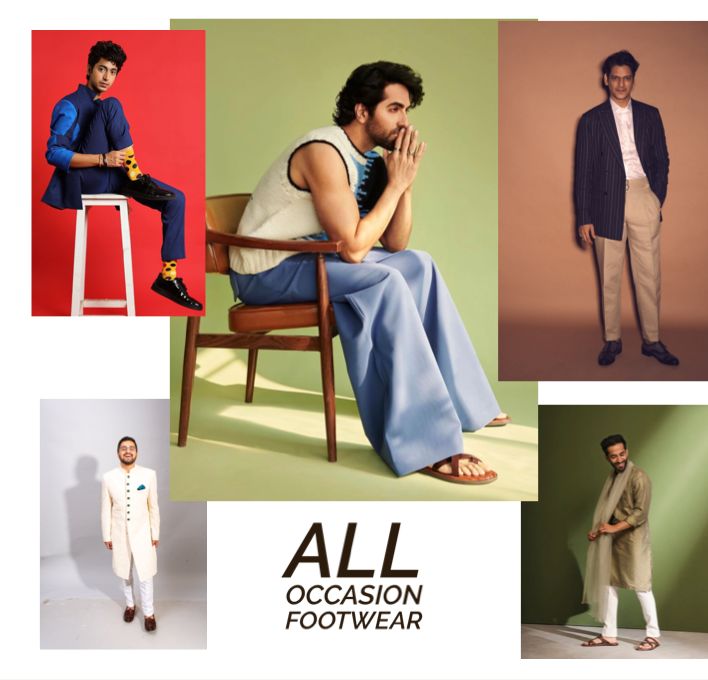
Pesha Bruno: The classic brown leather Peshawari. Natural color gradient, minimal detailing, handmade construction. This is the starting point recommendation for any man buying a leather Peshawari for the first time. Saqib Saleem has been photographed wearing the Pesha Bruno.

Pesha Marrone: Tan leather Peshawari. Slightly lighter in tone than the Pesha Bruno. The tan leather works across the widest range of Indian ethnic outfit colors — particularly effective against navy, ivory, olive, and pastel sherwani and kurta tones.

Pesha Croco: Black crocodile-embossed leather Peshawari. The crocodile pattern is embossed into full-grain leather — it is a texture, not a separate material applied on top. For men who want their Peshawari to read as distinctly luxury, the Pesha Croco in black is the most distinctive option in the range. Available in brown, espresso, tan, and exotic leather textures.

Pesha Rivetto: Dark brown Peshawari with rivet detailing along the construction edges. The rivets are precise and small — visible on close examination, clean from a distance. Available in tan and black leather finishes.

Every Outfit a Peshawari Works With
This is the Peshawari's genuine advantage over the mojri and the jutti. It is the most versatile ethnic shoe available.
Sherwani: Yes, for all occasions, from mehendi to the main ceremony.
Formal kurta pyjama: Yes, for weddings, festive occasions, and formal gatherings.
Casual kurta pyjama: Yes, as a considered everyday or casual-occasion shoe.
Pathani suit: Yes — the Peshawari and the Pathani suit are a natural combination.
Linen trousers and kurta: Yes — the Peshawari works beautifully with linen as a premium everyday shoe.
Bandhgala: Yes, for a traditional or semi-formal register.
With jeans and a kurta or shirt: Yes, as an Indo-western statement for the man who wants ethnic footwear with casual Western clothes.
FAQ
Is a Peshawari more formal than a mojri?
No. The mojri is generally considered more formal than the Peshawari because of its closed-toe construction and its origin in the Rajput court tradition. The Peshawari, with its open construction, is considered slightly less formal, which is also why it is more versatile. For the most formal Indian occasions (groom's wedding ceremony), a leather mojri is traditionally more appropriate. For everything else, a leather Peshawari covers more ground.
Can I wear a Peshawari to an office with an Indian outfit?
Yes. A leather Peshawari worn with a kurta and tailored trousers is an acceptable and respected office look in India, particularly in creative, startup, and professional services environments. The Pesha Marrone or Pesha Bruno from dmodot are both appropriate for this use.
Do dmodot Peshawaris come in big sizes like EU 46 and 48?
Yes. dmodot makes all its Peshawaris and ethnic footwear in EU sizes 36 to 50. This is the widest size range available from any Indian luxury footwear brand. If you wear EU 44, 46, 48, or 50, every dmodot Peshawari is available in your size.
How are dmodot Peshawaris different from market Peshawaris?
Three key differences: the leather grade (full-grain crust leather vs processed or synthetic leather), the insole (memory cushion insole vs flat thin leather or cardboard), and the sole (handmade leather sole vs rubber).
These differences mean a dmodot Peshawari lasts significantly longer, is significantly more comfortable for extended wear, and ages with character rather than deteriorating.
What is the price of dmodot Peshawaris?
dmodot's Peshawari range starts at approximately ₹12,000 and goes up to approximately ₹15,000 for the standard range. Custom colors and constructions are priced individually. Free shipping pan India. Cash on delivery available.