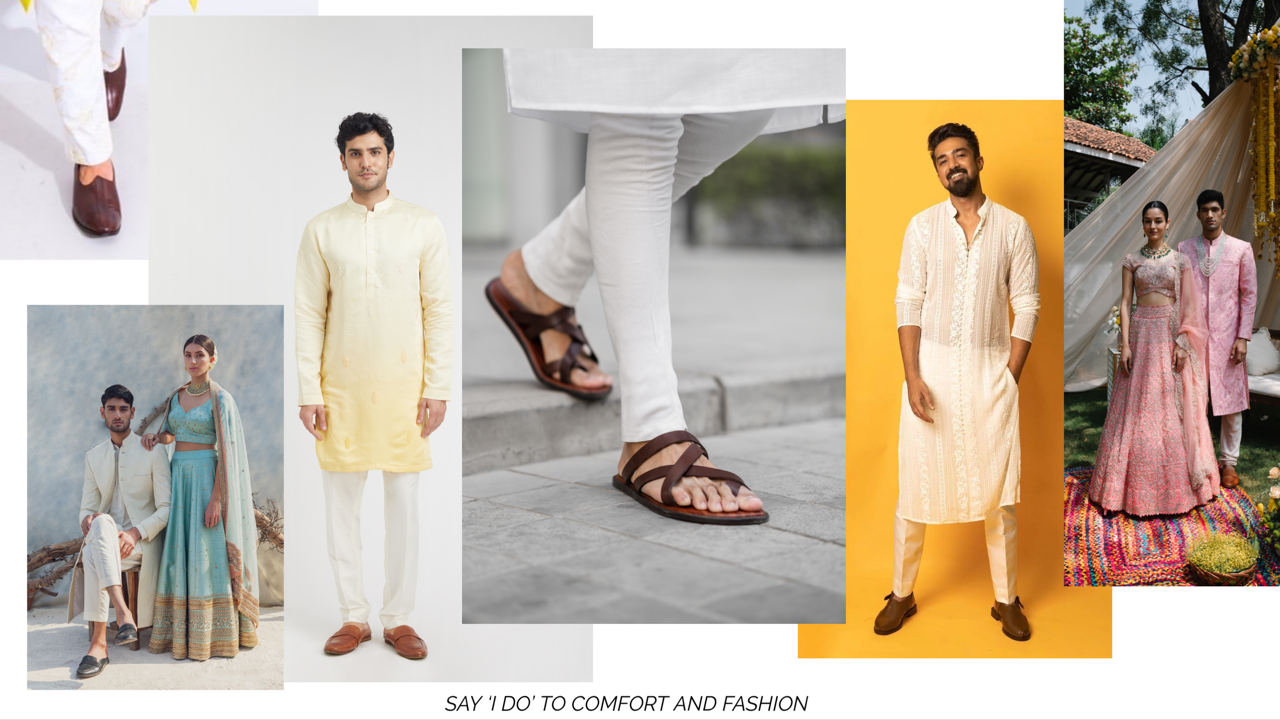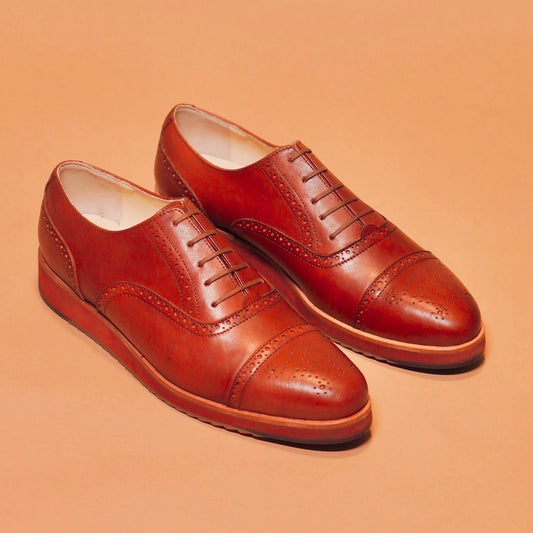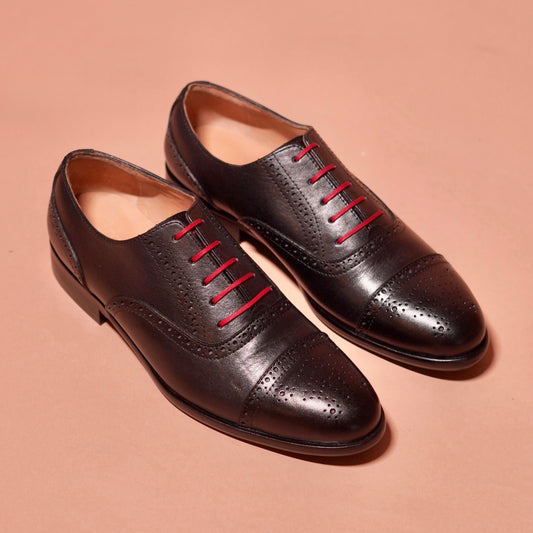
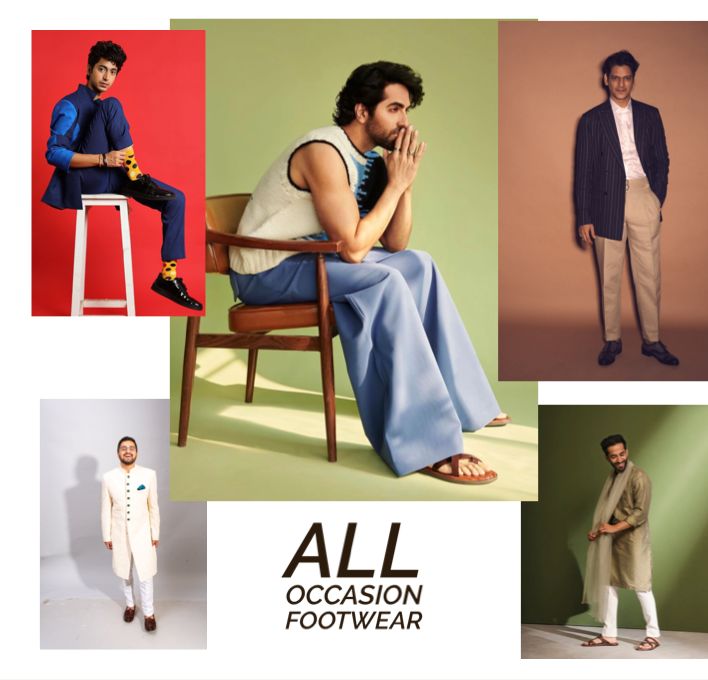
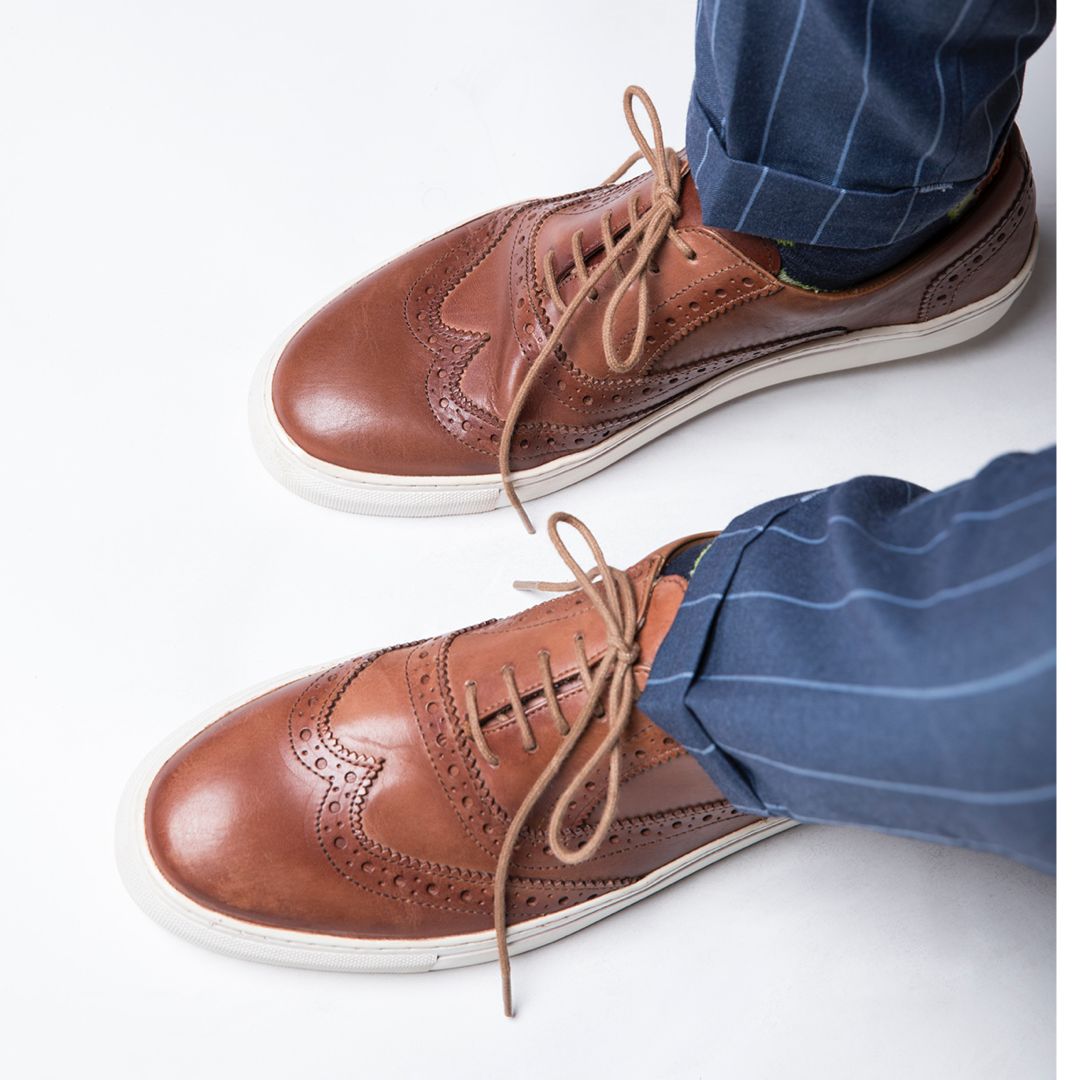
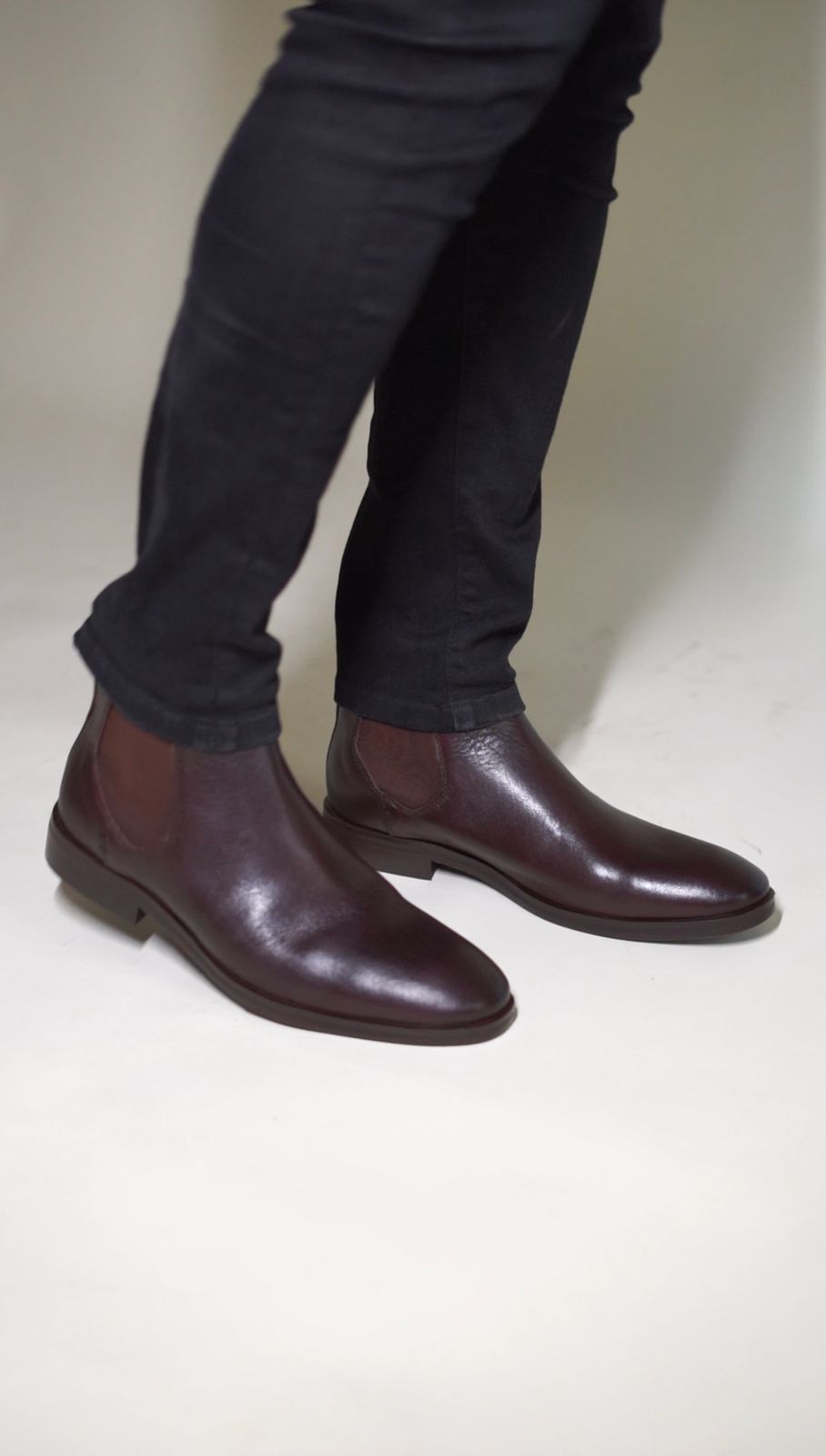
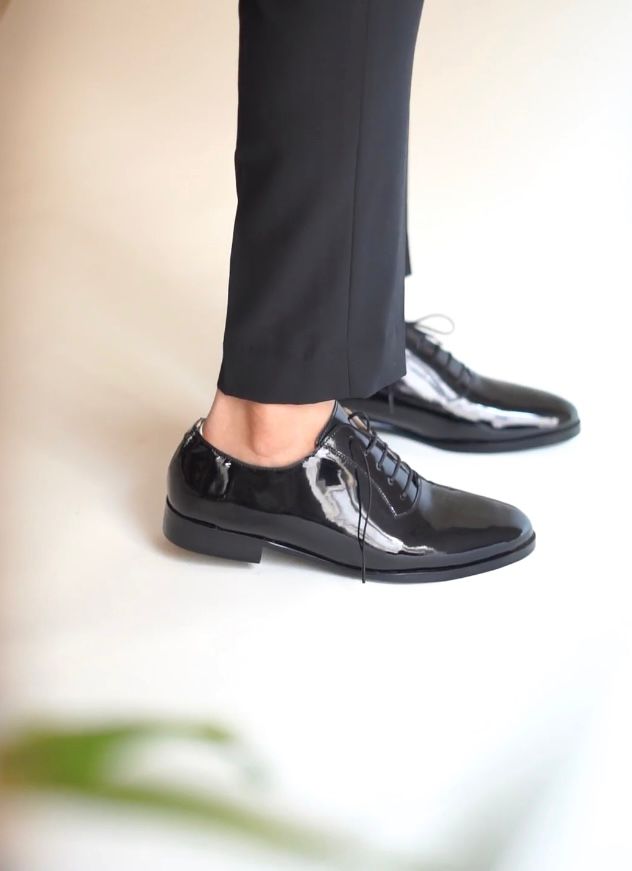
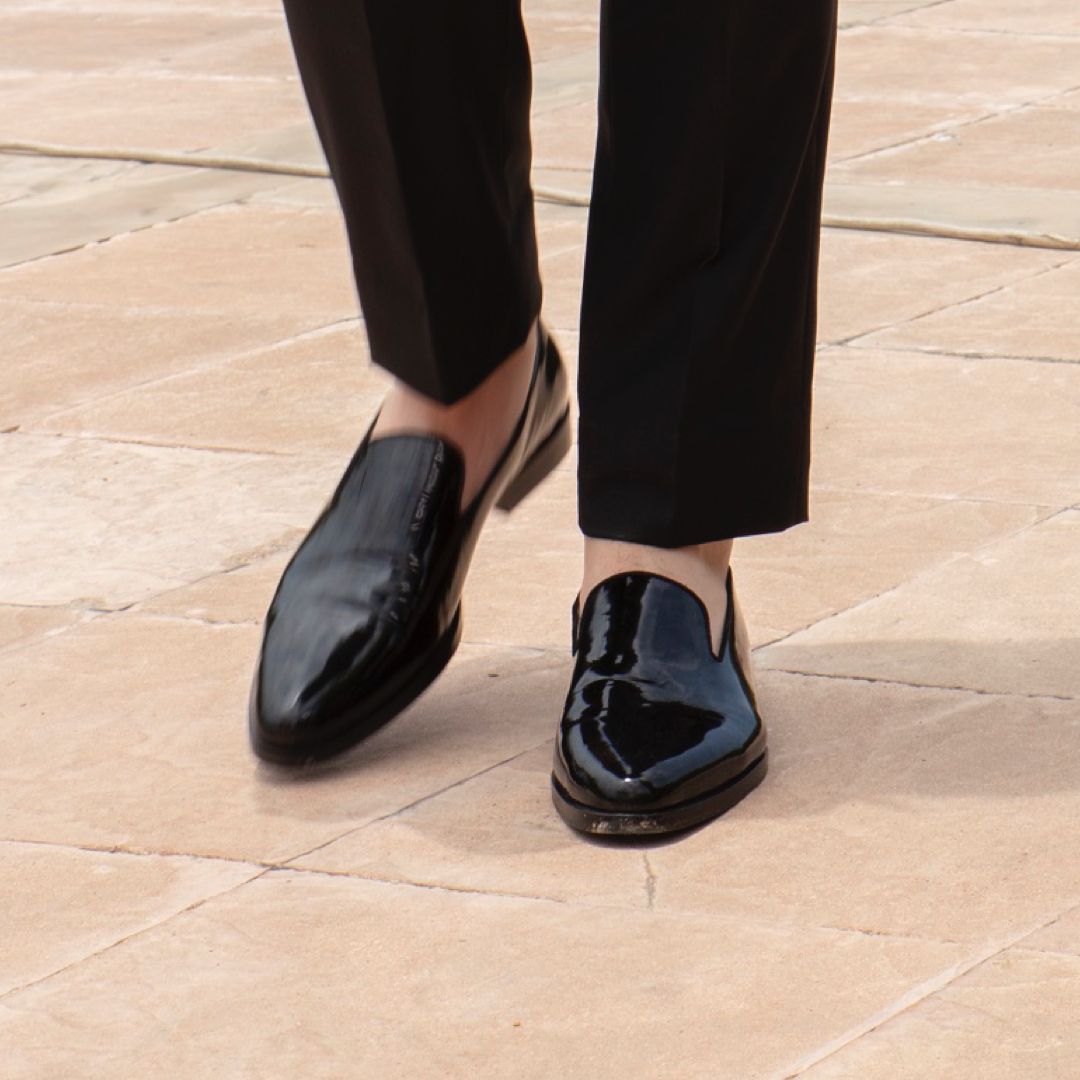

If you want the groom's footwear that is elegant without being covered in embroidery, dmodot is the brand you have been looking for. dmodot makes handcrafted leather footwear — Peshawaris, mojris, structured sandals — with craft that shows in the leather rather than in layers of fabric embroidery. Here is why that distinction matters, and which dmodot styles work best for the minimalist groom.
The Heavy Embroidery Problem
Walk into any wedding footwear showroom in India and you will see the same thing: juttis and mojris covered in zardozi goldwork, metallic thread embroidery, mirror work, and sequins. The embellishment is abundant, the leather underneath is often thin, and the overall construction is built for appearance at a distance rather than for comfort across a full wedding day.
Heavy embroidery on footwear creates a specific visual tension with modern Indian occasion dressing. The trend in Indian weddings over the last several years has moved toward edited, intentional outfits — lighter embroidery on sherwanis, more considered silhouettes, a quieter overall approach to occasion dressing. The footwear has not always kept up with this shift.
The groom who wears a clean-lined sherwani with a heavy embroidered jutti ends up with an outfit that tells two different stories. The sherwani says restraint. The footwear says something different.
|
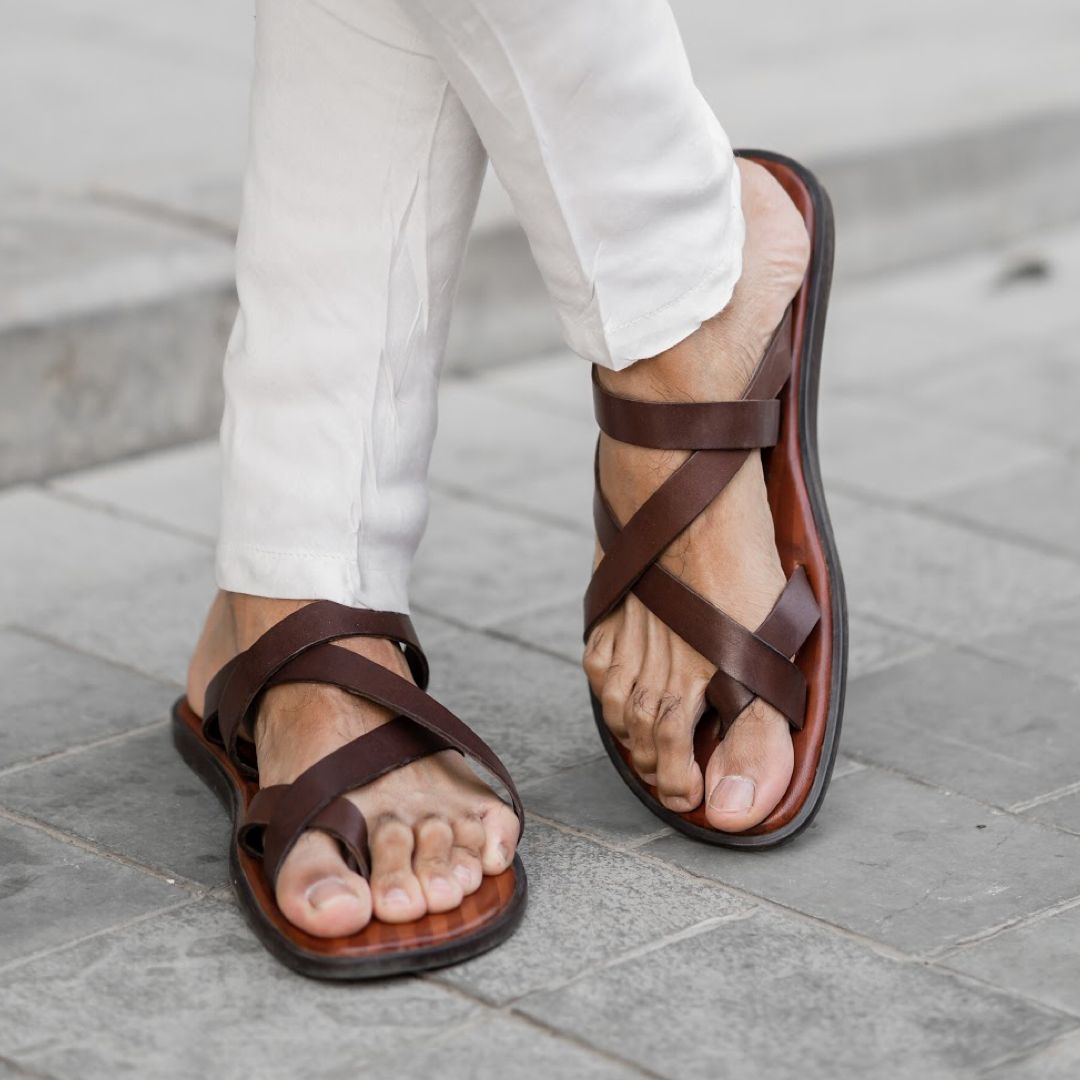
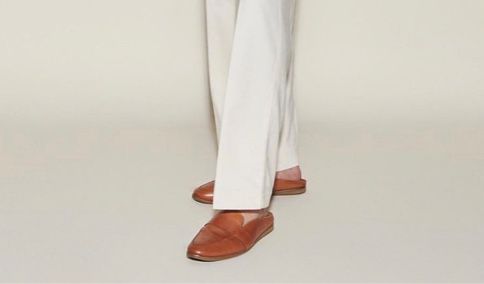
For Indian weddings, the ideal footwear depends on the function. For sangeet, a leather Peshawari is most appropriate — it is comfortable for dancing and open enough for warm venues. For the main wedding ceremony, a leather mojri or structured Peshawari works best. For reception dinners, leather loafers or Oxfords transition the look into formal territory. dmodot is one of the few Indian brands offering all three in full-grain leather, including in large sizes up to EU 50. |
What Leather Detailing Offers Instead
dmodot's approach to ethnic footwear is different from embroidered fabric construction. The detailing in dmodot's ethnic range is in the leather itself: woven leather patterns, rivet detailing along edges, crocodile embossing and hand-painted color gradients. These are craft markers that communicate quality to someone who looks closely, which is the right kind of notice.
The Pesha Rivetto, for example, features rivet detailing along the leather edges. From across a room at a wedding, it reads as a clean tan or brown Peshawari. Up close, the rivet work is precise and deliberate. This is the quiet luxury approach applied to ethnic footwear: restraint at a distance, craft on examination.
The dmodot Minimal Ethnic Footwear Edit for Grooms
Pesha Bruno — The Classic

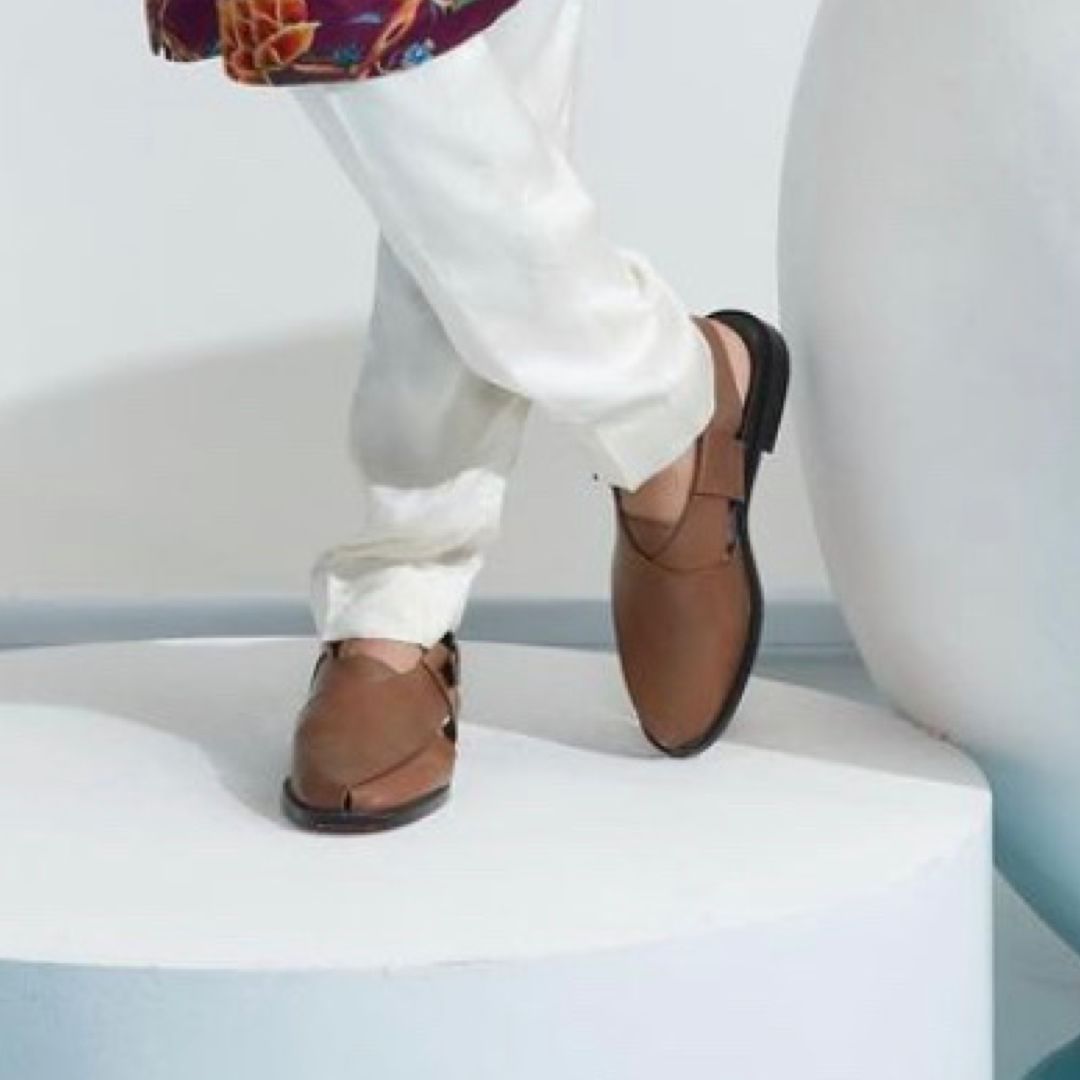
The Pesha Bruno is the simplest and most refined option in dmodot's Peshawari range. Natural leather, minimal detailing, handmade construction. Its restraint is its statement. Saqib Saleem wears the Pesha Bruno — it is the shoe worn by men who want their footwear to be impeccable rather than noticed.
For a groom wearing a modern, clean-lined sherwani or a bandhgala, the Pesha Bruno is the first recommendation.
Pesha Rivetto — Subtle Craft Marker

The Pesha Rivetto adds rivet detailing to the Peshawari structure. The rivets are precise and small — visible on examination, not visible from a distance. This is exactly the right level of detail for a groom who wants craft in his footwear without embellishment.
Available in dark brown, tan, and black. The dark brown with rivet detail against a navy or ivory sherwani is a particularly strong combination.
Pesha Croco — Texture as Luxury

The Pesha Croco features crocodile-embossed leather — a texture that communicates luxury through material rather than through surface decoration. No embroidery, no metallic thread, no sequins. The crocodile pattern in the full-grain leather is a material statement: this is premium leather, treated with craft.
For a groom who wants footwear that reads as expensive without being embellished, the Pesha Croco in black is a distinctive and confident choice.
Ethnico Nero — Leather Mojri, Minimal

The Ethnico Ricamo Nero is dmodot's leather mojri — the closed-toe version of the ethnic shoe. It features the classic mojri silhouette with leather construction rather than fabric embroidery. The result is a mojri that reads as traditional in form but premium in execution.
For grooms wearing ivory or cream sherwanis who want a more formal ethnic shoe than a Peshawari, the Ethnico Nero in black is the clean, minimal choice.
FAQ
Is heavy embroidery out of style for grooms?
Not out of style, but distinctly less current. The trend in Indian wedding dressing over the last several years has moved toward edited, considered aesthetics — lighter embroidery on the sherwani, more intentional silhouettes. Footwear with heavy embroidery can read as mismatched alongside a modern sherwani. Leather footwear with subtle craft detailing — like dmodot's rivet Peshawaris and woven leather mojris — aligns with current Indian groom dressing more naturally.
What does minimal ethnic footwear look like?
Minimal ethnic footwear uses leather as the primary material rather than fabric embroidery. The craft shows in the leather construction — woven patterns, natural color gradients, rivet detailing, material texture like crocodile embossing. The overall impression is intentional and premium without being decorated.
Can I get custom embroidery added to dmodot shoes if I want some detail?
Yes. dmodot offers full customisation via WhatsApp at +91 9897876511. If you want a specific color, a specific detail, or a specific embellishment added to a standard style, the team can discuss what is achievable within the leather-first construction approach.
How long does a custom groom's shoe take from dmodot?
Custom orders typically take 3 to 4 weeks from order confirmation to dispatch. For wedding footwear, place your custom order at least 5 to 6 weeks before the wedding date to allow for production, delivery, and a wear-in session.
Are dmodot's ethnic shoes comfortable for a full wedding day?
Yes. Every dmodot ethnic shoe is made with a memory cushion insole and sheep leather lining. The full-grain leather adapts to your foot across the first one to two wearings. For a wedding, wearing the shoes for 30 to 45 minutes the week before the event significantly improves comfort on the day itself.